Wondering which part of Nampa fits your lifestyle best? That is a smart question, because Central, South, and West Nampa can feel very different depending on the kind of home, lot size, and daily routine you want. If you are trying to balance walkability, commute patterns, recreation access, and long-term value, this guide will help you compare the tradeoffs with more confidence. Let’s dive in.
Why Nampa Feels So Different by Area
Nampa’s layout helps explain why one side of town can feel historic and compact while another feels more open and spread out. The city’s planning documents describe an Area of City Impact of about 49,000 acres, bordered by Caldwell, Meridian, Lake Lowell, and agricultural land to the south.
In practical terms, that means you are not just comparing neighborhoods. You are also comparing a historic core, transition corridors, and edge-growth areas where future development is still taking shape. For homebuyers, that can affect everything from lot size to traffic patterns to how close you feel to shops, parks, and everyday services.
Central Nampa at a Glance
Central Nampa is the best fit if you want an older part of town with a more connected street grid and easier access to downtown amenities. This area includes the historic core, especially Old Nampa and downtown.
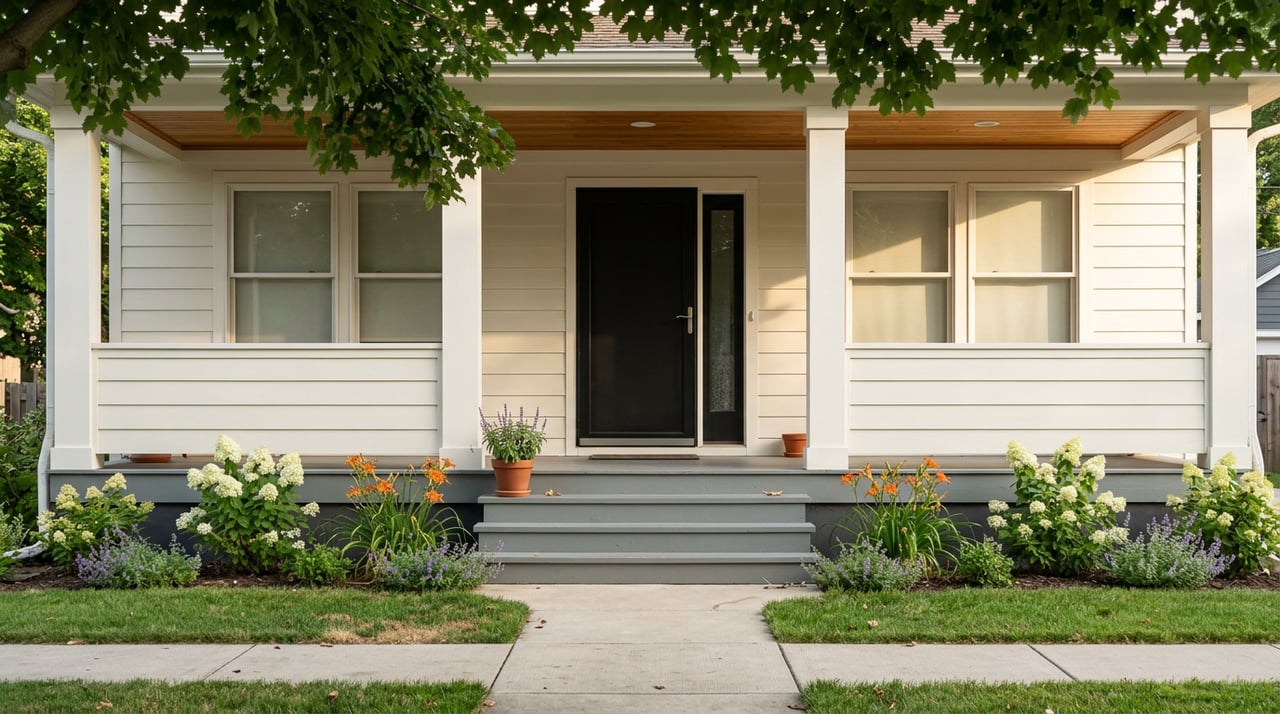
The Old Nampa Historic District is made up mostly of Craftsman bungalow and kit homes built between 1920 and 1940. Planning documents also describe the area as a traditional grid with sidewalks and standardized lot sizes, which supports a more walkable day-to-day experience.
What Stands Out in Central Nampa
Downtown Nampa is described by the city as walkable, compact, and mixed-use. The core includes Library Square, the Nampa Train Depot Museum, Lloyd Square Park, the public library, the farmers market, restaurants, shops, and regular community events.
The city’s form-based code also reinforces a human-scaled, pedestrian-oriented downtown with civic, commercial, and residential activity. That gives Central Nampa a distinctly different feel from more auto-oriented parts of the city.
What to Expect From Homes and Lots
If you shop in Central Nampa, expect older homes and generally smaller lots than you may find farther south or west. That smaller-lot pattern is part of what gives the area its more established, in-town feel.
If charm, character, and proximity matter more to you than having a large yard or a newer subdivision layout, Central Nampa may deserve a close look. If you want more separation between homes, it may feel tighter than other parts of town.
Central Nampa Commute and Lifestyle
Central Nampa benefits from access to Interstate 84, U.S. highways, ValleyRide bus service, and Commuteride carpool and vanpool options. For many buyers, the biggest advantage is shorter day-to-day trips to downtown destinations and the possibility of relying a little less on the car.
That said, the historic core also sits near major arterials. If you are comparing homes here, it is worth paying attention to how close a property is to busier streets and how that matches your comfort level.
South Nampa at a Glance
South Nampa tends to feel more like a transition zone between established in-town neighborhoods and lower-density edge development. It also has one of the strongest connections to Lake Lowell, which makes it appealing if recreation access is high on your list.
This part of town is generally more corridor-driven than Central Nampa. Your day-to-day experience here is more likely to revolve around driving routes, especially along major north-south connections.
What Stands Out in South Nampa
A key feature of South Nampa is access toward Lake Lowell and the surrounding recreation area. Planning work for bicycle and pedestrian access around Lake Lowell notes that the area has traditionally been served by higher-speed rural roads with narrow shoulders, with new facilities intended to improve safety and connectivity to and from Nampa and Caldwell.
For buyers, that means South Nampa can offer a good blend of suburban living and outdoor access. It also means the area is still more driving-based than a downtown lifestyle.
South Nampa Traffic and Movement
South Nampa’s transportation pattern is shaped heavily by major corridors. The city and Idaho Transportation Department completed a safety study along 12th Avenue between 7th Street South and Lake Lowell Avenue, with proposed improvements such as pedestrian-activated signals, reduced left turns, and curve improvements near Roosevelt.
That is helpful context if your commute will depend on 12th Avenue or nearby routes. When you tour homes in South Nampa, it is wise to think not just about the house itself, but also about how often you will use those main corridors.
What to Expect From Homes and Lots
South Nampa can vary quite a bit by pocket. Some areas feel more like established subdivision blocks, while others transition toward lower-density edge settings with larger lots.
The city’s residential density chart gives a useful frame of reference. Residential settings can range from around 12,000 square feet per unit in lower-density residential areas to 30,000 square feet in rural residential areas, with even larger agricultural contexts beyond that. In plain terms, South Nampa often gives you more lot-size variety than Central Nampa.
West Nampa at a Glance
If lot size and open space are your top priorities, West and Southwest Nampa are often the most natural places to focus. The city’s Southwest Nampa Specific Area Plan is the clearest official guide for understanding this edge of town.
This area has the strongest edge-growth feel in Nampa. It is where planned growth meets open land, and where the built environment can feel less compact and more spread out.
What Stands Out in West Nampa
The southwest plan says very low-density residential zoning is planned for much of the area south of West Roosevelt Avenue. The goal is to stay compatible with existing neighborhoods and create a buffer to Lake Lowell and the wildlife refuge.
The same plan describes single-family residential uses that can include large-lot rural residential patterns of 1 acre or more, or cluster development with open space. It also notes that the area’s character includes open land and wildlife corridors.
What to Expect From Homes and Land
For buyers who want more separation, larger parcels, or a semi-rural feel, West Nampa may be the strongest match. This is usually the side of town to tour when yard space, elbow room, and lower-density surroundings matter more than being close to a walkable retail core.
It is also important to remember that this is an actively planned growth area, not simply countryside. The city’s future vision includes homes, businesses, parks, schools, and other community amenities as development continues.
West Nampa Commute and Access
Transportation in West and Southwest Nampa is more dispersed than in Central Nampa. The southwest plan identifies Midway Road and Lake Avenue as major north-south corridors, and planning efforts in the broader area focus on improving bike and pedestrian connections to Nampa and Caldwell.
For many buyers, the tradeoff is simple. You may gain more land and a more open setting, but you will usually give up some of the convenience and short-distance walkability found closer to downtown.
Comparing Lot Size and Feel
One of the clearest ways to compare Central, South, and West Nampa is by the way each area feels on the ground. City density standards help explain those differences.
| Area | Typical Feel | Home and Lot Pattern | Daily Lifestyle |
|---|---|---|---|
| Central Nampa | Historic, compact, connected | Older homes, smaller lots | Best fit for downtown access and walkability |
| South Nampa | Transitional, suburban, corridor-based | Mix of established neighborhoods and larger edge lots | Best fit for recreation access and road-based commuting |
| West Nampa | Open, lower-density, edge-growth | Larger lots, open space, semi-rural patterns | Best fit for buyers prioritizing land and separation |
The city’s density chart shows minimum lot sizes such as 12,000 square feet in RS12 areas, 30,000 square feet in RA areas, and 217,800 square feet in AG areas. While that does not define every parcel, it gives you a helpful lens for understanding why different parts of Nampa can feel so different.
Which Part of Nampa Fits You Best?
The right area depends on what matters most in your daily life. There is no one-size-fits-all answer, which is why it helps to compare how you want to live, not just what you want to buy.
Choose Central Nampa If You Want Convenience
Central Nampa may be your best fit if you want:
- Older homes with historic character
- Smaller lots and a more in-town setting
- Easier access to downtown amenities
- A stronger sidewalk and street-grid environment
- Less dependence on driving for nearby activities
Choose South Nampa If You Want Balance
South Nampa may be your best fit if you want:
- A suburban setting with access toward Lake Lowell
- A mix of established and newer growth areas
- More lot-size variety
- A location shaped by major commuting corridors
- Recreation access with improving bike and pedestrian connections
Choose West Nampa If You Want Space
West Nampa may be your best fit if you want:
- Larger lots or more open land
- A lower-density setting
- A semi-rural feel in parts of town
- Space and separation from a more compact urban core
- A home in an area where future growth is still unfolding
A Smart Way to Tour Nampa
If you are serious about buying in Nampa, try touring these three areas back-to-back. Seeing Central, South, and West Nampa in the same day can help you quickly understand which tradeoffs feel worth it to you.
Pay attention to the drive in and out, lot sizes, street layout, nearby activity, and how each area feels at a normal time of day. A home can look great online, but the surrounding setting often shapes your long-term satisfaction just as much as the house itself.
Buying in a city with multiple growth patterns also means thinking beyond today. Central Nampa may offer established character and convenience, while South and West Nampa may offer more space and a different long-term lifestyle fit. If you want help weighing those tradeoffs through both a practical and long-term value lens, Valentine Realty is here to help.
FAQs
What is the most walkable part of Nampa for homebuyers?
- Central Nampa is the strongest fit for walkability because downtown is described by the city as compact, mixed-use, and pedestrian-oriented, with sidewalks and close access to amenities and community spaces.
Which part of Nampa has the largest lots for buyers?
- West and Southwest Nampa generally offer the largest-lot and lowest-density feel, with planning documents describing large-lot rural residential patterns of 1 acre or more in parts of the area.
Is South Nampa a good fit for buyers who want Lake Lowell access?
- South Nampa has the clearest connection to Lake Lowell access, with planning focused on improving bicycle and pedestrian connections to the area while acknowledging that travel is still more road-oriented.
How do Central and West Nampa feel different for buyers?
- Central Nampa feels older, more compact, and more connected to downtown, while West Nampa feels more open, lower-density, and shaped by edge growth and larger parcels.
What should Nampa buyers compare besides the house itself?
- You should compare commute routes, lot size, street layout, access to amenities or recreation, and whether you prefer a historic core, a suburban transition area, or a lower-density edge setting.