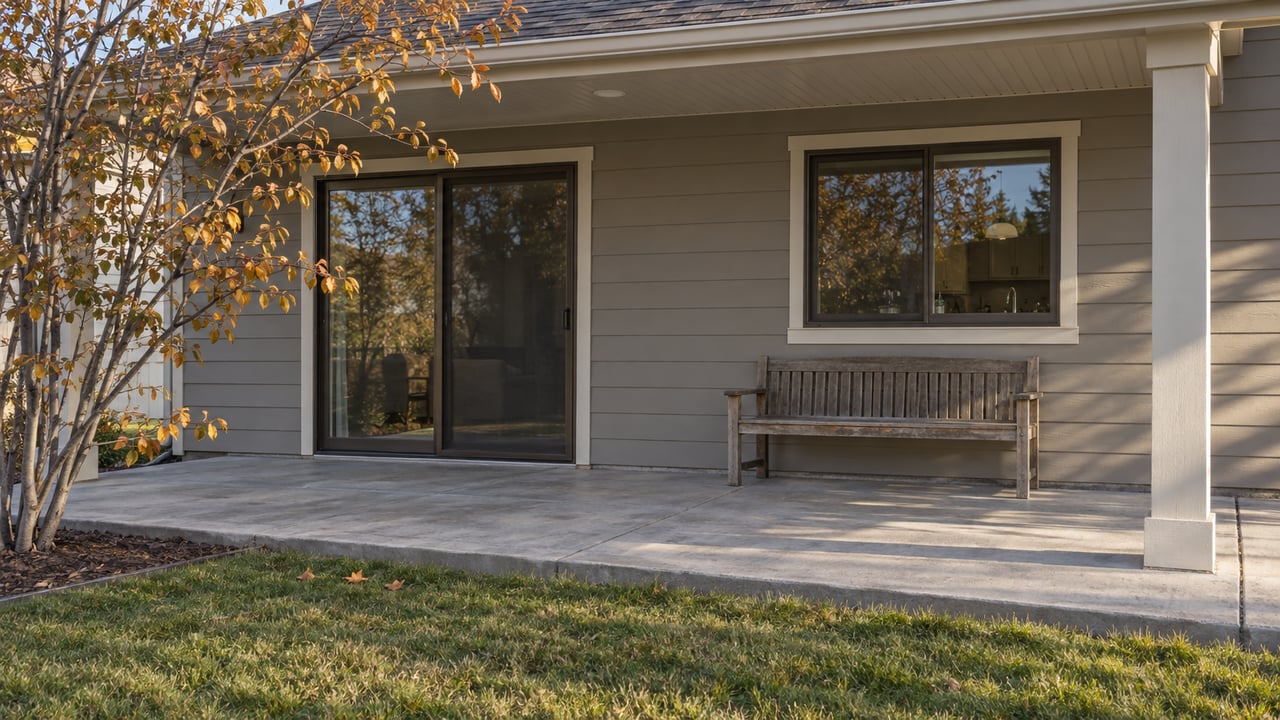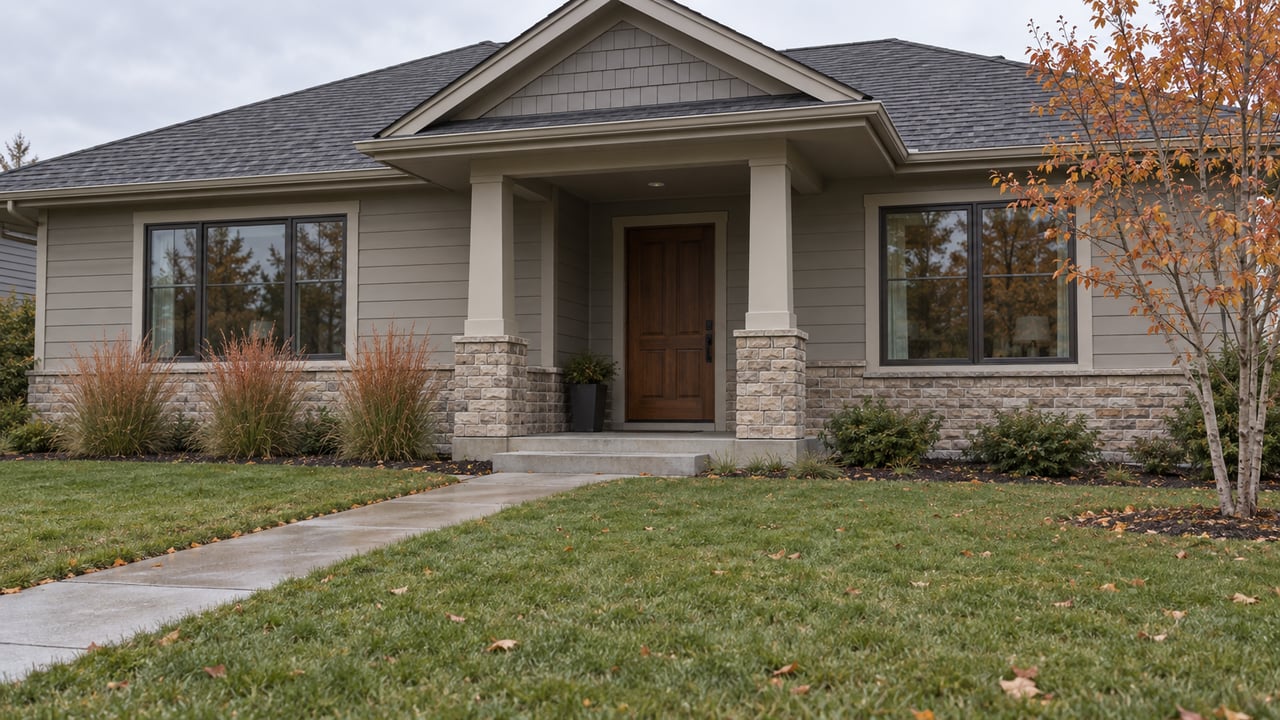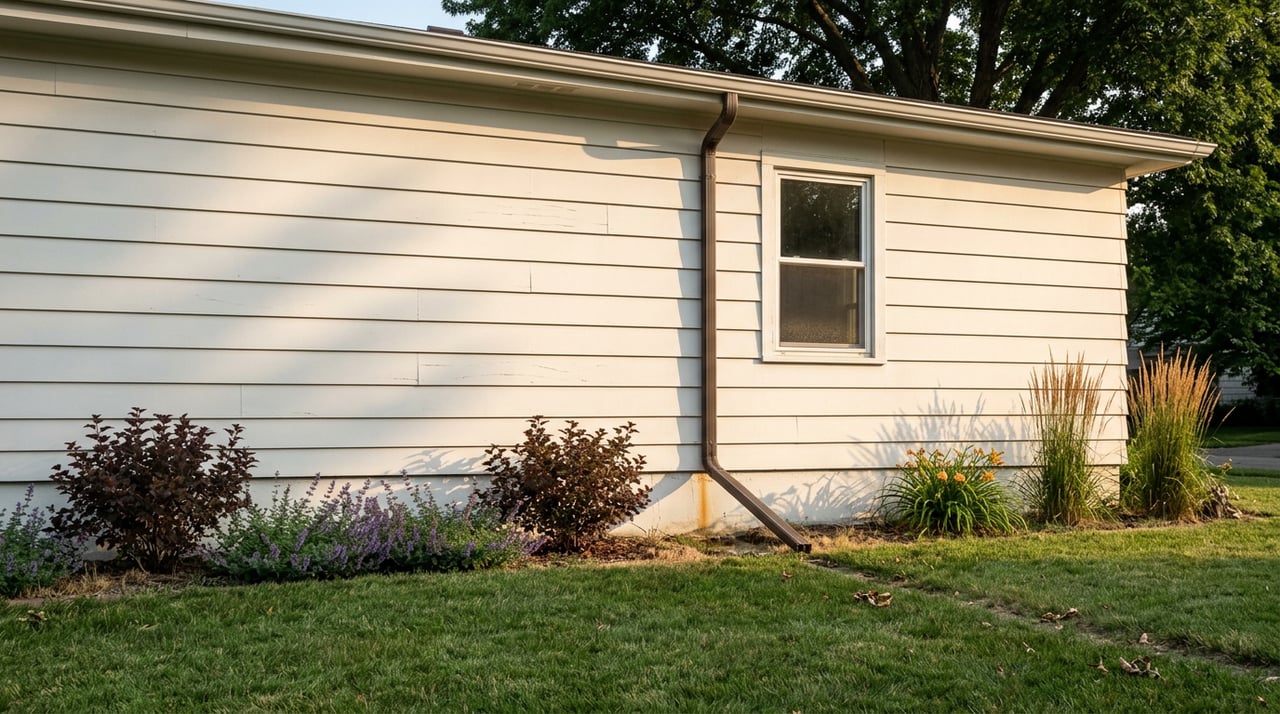
Walk a few blocks off downtown Caldwell and you will cross more ditches than stop signs. A shallow lateral runs behind a backyard on one of the older grid streets. A canal shoulder butts up against a fence line a few blocks over. Three miles north, a newer subdivision waters its lawns through buried pipe and a pump station instead of an open ditch at all. On paper, every one of those properties carries the same label: an irrigation water right. In practice, almost none of them work the same way, and the difference matters more than most buyers realize until they are already holding the keys.
Here is the claim worth sitting with before you write an offer in this city: an irrigation water right in Caldwell is not a bonus feature that comes with the land. It is a legal obligation attached to the parcel, enforced on its own clock, and that clock can end in the loss of the property itself, not just a lien.
One Word, Two Different Systems
Caldwell sits inside the service area of Pioneer Irrigation District, a non-profit district established in 1901 that delivers water to more than 34,000 acres across Canyon County and western Ada County through open canals, ditches, and laterals. Caldwell also has its own separate system: the Caldwell Municipal Irrigation District, created in 2005 to run the pressurized pipe network that serves most modern subdivisions inside city limits.
Those two entities are not the same office with two names. Pioneer's own staff acknowledge the overlap is confusing. According to Pioneer's published FAQ, many subdivisions with pressurized sprinklers sit technically within Pioneer's mapped boundary but are actually operated and billed by the city's municipal district instead. A buyer touring a home cannot tell which entity governs the lot just by looking at the lawn. The only way to know is to ask which entity serves the lot.
| Pioneer Irrigation District | Caldwell Municipal Irrigation District | |
|---|---|---|
| Established | 1901 | 2005 |
| Coverage | 34,000+ acres, Canyon County and western Ada County | Pressurized subdivisions inside Caldwell city limits |
| Delivery method | Open canals, ditches, laterals | Buried pipe, pump stations |
| Assessment due dates | First half December 20, second half June 20 | Set under Idaho Code Title 50, Chapter 18 |
The Clock Nobody Mentions at Closing
An unpaid mortgage triggers a foreclosure process most buyers already understand, with a timeline set by the lender and the courts. An unpaid irrigation assessment runs on a completely different track, and it is shorter than most people expect.
Under Idaho law, if an irrigation assessment goes unpaid, the district files a lien against the property. If that delinquency is not resolved within three years of being recorded, the district is entitled to a tax deed to the property outright. Caldwell's municipal district cites this directly, referencing Idaho Statute 50-1821 as the authority that requires the city clerk to issue the deed once that three-year window closes.
This is not a hypothetical scare tactic. It is the plain mechanism the district itself publishes to explain what happens if the bill goes unpaid. For a buyer, it means confirming that assessments are current is not a courtesy check, it is closing-table due diligence with real teeth. For a seller who has let a smaller ditch company invoice lapse during a slow year, it is a reason to settle the account before the transaction, not after.
What the Assessment Actually Buys
The fee itself is not arbitrary. CMID's own published example breaks down how a typical subdivision's water right is calculated: a development with 106 homes on 35.21 total acres works out to roughly three houses per acre, and the water right is set at one miner's inch per acre, or about 9 gallons per minute per acre. Multiply that out and the entire subdivision is entitled to roughly 317 gallons per minute, total, shared across every lot.
That number puts peak-summer water demand in some Caldwell subdivisions in context. If all 106 homes ran sprinklers at the same time, demand would hit nearly 954 gallons per minute, more than triple what the system was built to deliver. That is why CMID recommends staggered watering days rather than letting every homeowner choose their own schedule. The figures compare the stated system capacity with demand if every home waters at once; they do not establish the cause of pressure problems in any particular subdivision.
Old Lots and New Subdivisions Play by Different Rules
Caldwell's municipal code requires new developments to install an automatic pressurized irrigation system built to CMID standards and dedicate those facilities to the city, with narrow exceptions for smaller residential parcels under roughly three gross acres or developments with less than 26,000 square feet of irrigable landscape. If a parcel has no water right at all and cannot obtain city water for irrigation, the code allows dry landscaping instead.
Older downtown lots carry a different set of obligations. Many sit next to canals or laterals with recorded easements, and the Idaho Department of Water Resources explains that under Idaho law those easements are not subject to adverse possession. Pioneer's rules also make clear that property owners along a ditch may be responsible for weed control up to the center line, a maintenance duty that has nothing to do with the house itself and everything to do with the parcel's boundary.
For a buyer comparing a character home downtown to a newer build on the edge of town, this is not a cosmetic difference. It changes what you can build near a property line, what a renovation permit requires, and which office you call when something goes wrong.
Why a Tight Market Makes This Riskier
For the week of August 10, 2026, Caldwell's median list price sat at $464,990, and the market's own tracking service pegged the action index around 38, just under the 40 recorded the month before, even as active inventory climbed to 342 listings. That combination, a still-elevated action index alongside rising inventory, describes a market that is loosening slightly but has not slowed down enough for buyers to relax on timelines. Waived or shortened inspection periods are more common when competition stays this tight, and irrigation due diligence is exactly the kind of detail that gets skipped when everyone is racing to remove contingencies.
That is the opposite of what the moment calls for. Confirming which district governs a parcel, whether its assessment is current, and whether any easement limits your plans takes a phone call and a short wait, not a contingency-killing delay. Skipping it does not save time. It just moves the risk to after closing.
Three Questions Worth Asking Before You Write an Offer
- Which entity holds the water right on this parcel, Pioneer, CMID, or a smaller ditch or canal company, and is the current assessment paid in full?
- Is there a canal, lateral, or ditch easement crossing the lot, and does it limit where you can build, fence, or plant?
- If the subdivision runs on a pressurized system, is the pump station already connected and maintained by the city, or is the property still under a deferral agreement waiting on a regional system?
None of these require a specialist. They require someone who knows to ask before the inspection period closes, not after.
FAQ
Does every home in Caldwell carry an irrigation water right? No. Some parcels have no water right attached at all. In those cases, the city's code allows for dry landscaping.
Can I decline the irrigation share if I do not want to maintain a lawn? You can choose not to install a system, but the assessment is not a fee for water delivered, it is a tax on the water right that comes with the land. Pioneer's own materials are direct about this: the obligation exists whether or not you use the water.
How does a water right relate to the land title? Idaho treats water rights as their own category of property, administered by the Idaho Department of Water Resources, distinct from the land title itself.
Irrigation water rights are one of those Caldwell details that read as a footnote until they show up as a real number on a closing statement, or worse, as a lien nobody caught in time. Getting it right takes someone who has actually walked these blocks and knows which office to call. Valentine Realty works with buyers and sellers across Caldwell every week who are weighing exactly this kind of tradeoff, and we would be glad to talk through what a specific address means for your plans before you write an offer.
This article is general information, not legal, tax or financial advice. Consult a qualified professional about your situation.