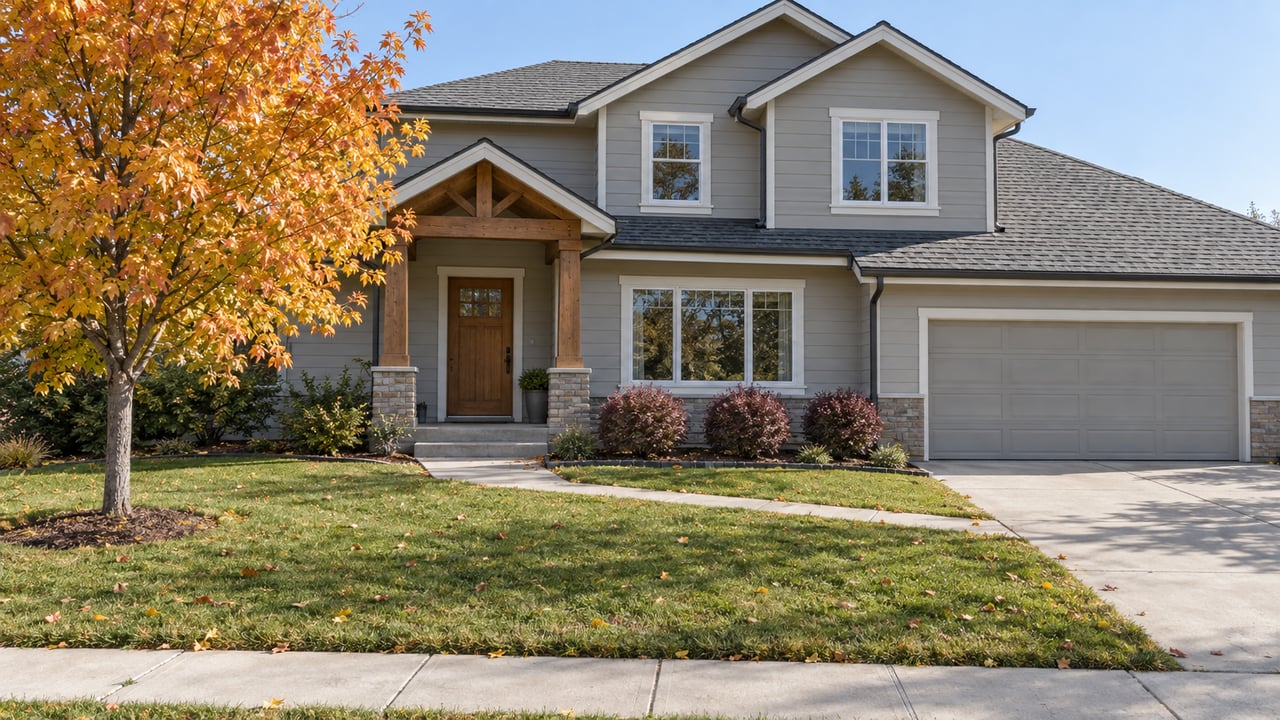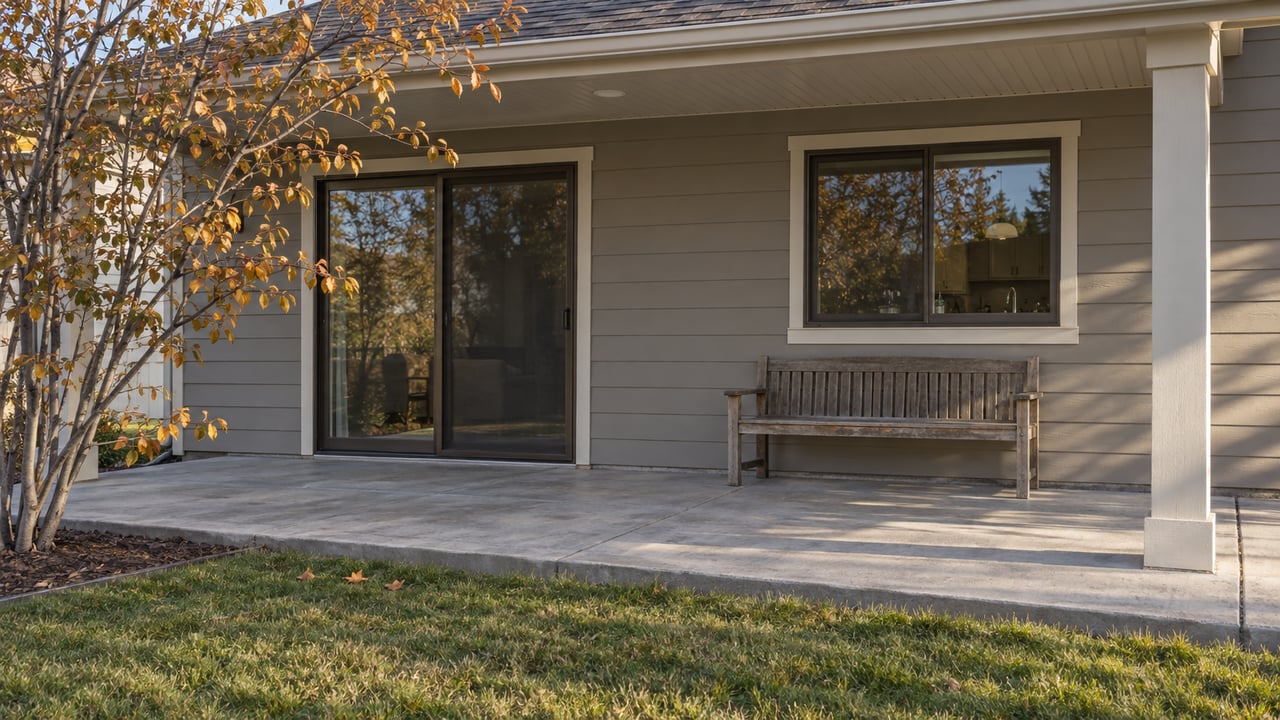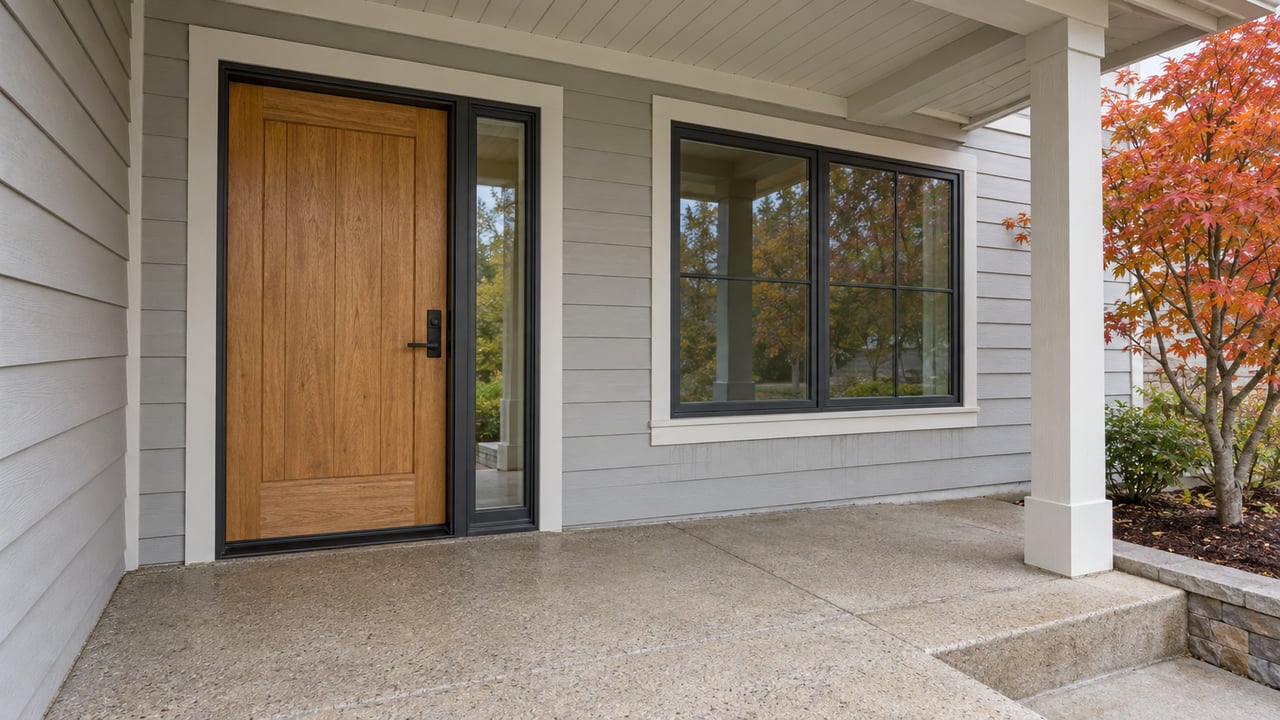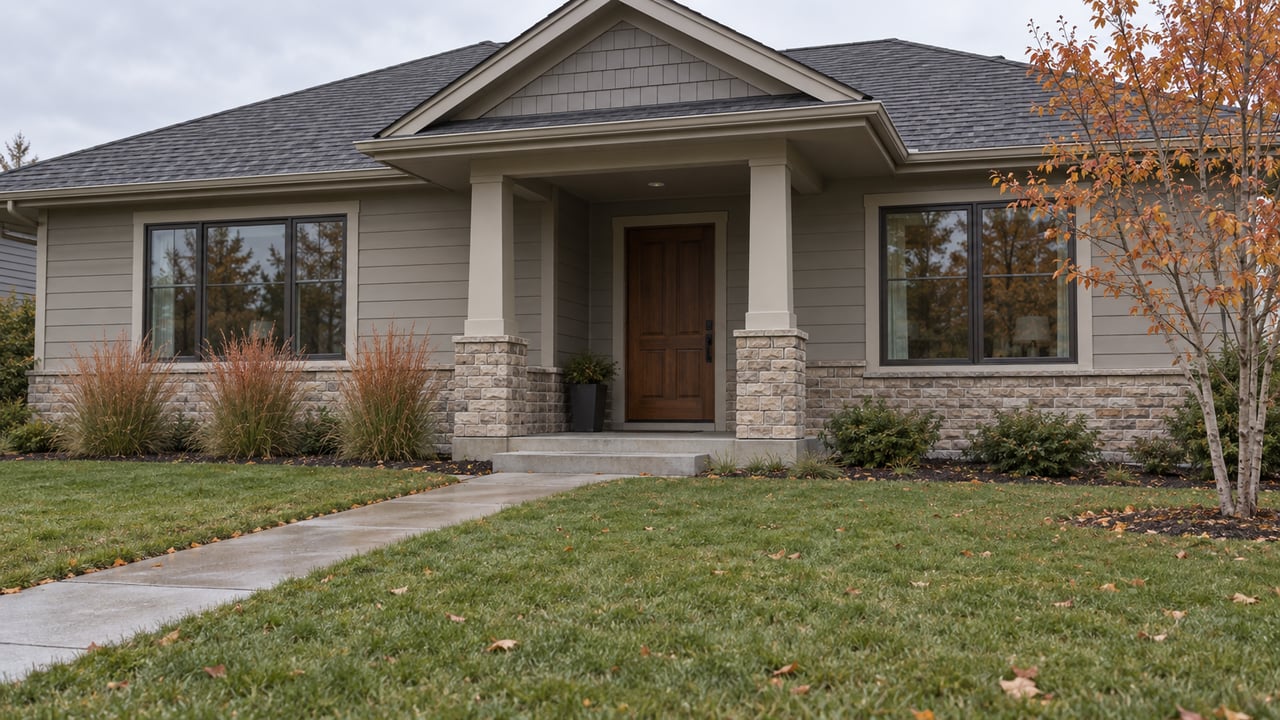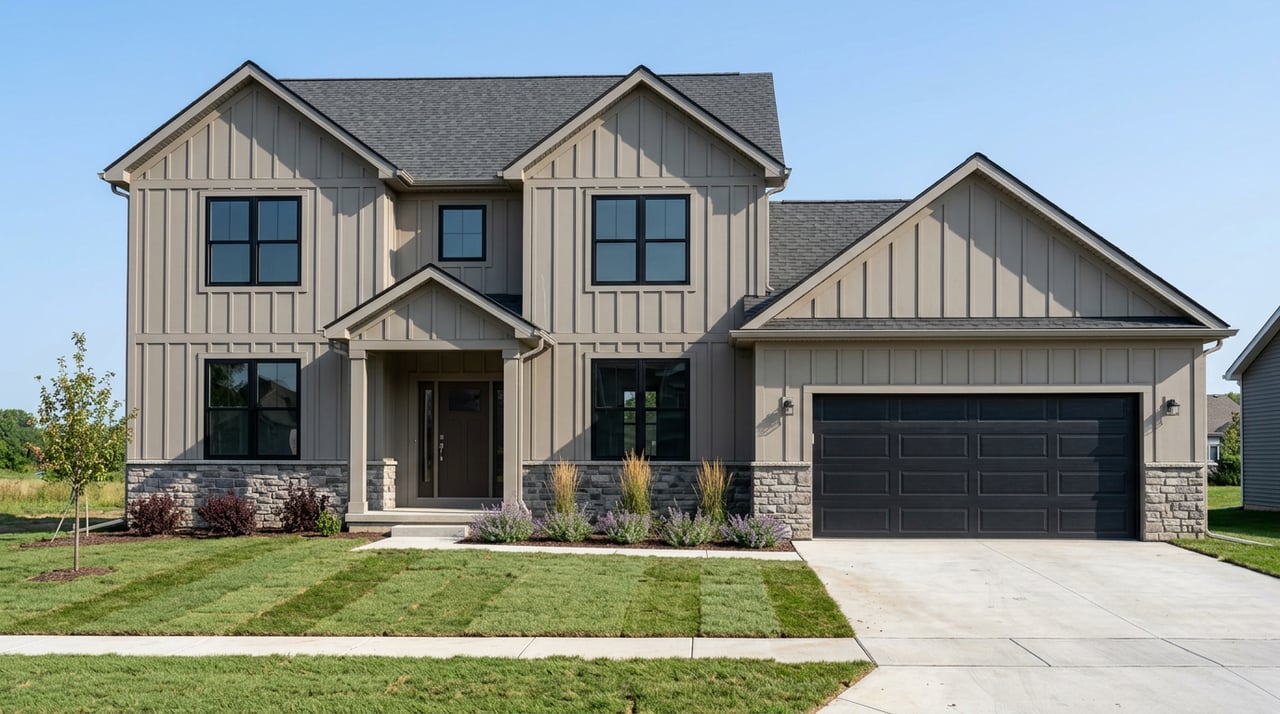
A family in Meridian pulls up a new listing on their phone: four bedrooms, a three-car garage, a covered patio, built in 2024. Nice house. Then they check the address. It is fifteen minutes south down Ten Mile Road, past the point where sidewalks give way to canal banks, in a city called Kuna. The price is tens of thousands less than anything comparable back home. They are not the first family to make that drive this year, and they will not be the last.
That drive is the real engine behind the headline everyone in the Treasure Valley keeps repeating: Kuna is one of the fastest-growing cities in Idaho. The Community Planning Association of Southwest Idaho estimated in April 2026 that Kuna's population climbed from 33,750 to 38,560 in a single year, a 14.3 percent jump that outpaced every major city in the region. Meridian grew 3.2 percent over the same stretch. Nampa grew 2.9 percent. Boise grew 1.1 percent. Kuna's growth rate was not close.
Here is the part that does not fit the usual boomtown story. If a city is growing that fast because buyers are rushing in, homes should be selling faster, not slower. In Kuna, they are selling slower. That contrast is not a data error, but population growth and sales pace measure different things, and the numbers alone do not establish why homes are taking longer to sell. For a buyer comparing Kuna to Meridian, it is a reason to read every other number on the page in context.
Population Growth and the Price Gap
Regional reporting has described most of Kuna's new residents as coming from elsewhere in Ada County, especially Meridian. Buyers comparing the two areas can consider that pattern alongside the price difference.
Recent reporting puts Meridian's median sale price around $515,000 against Kuna's roughly $449,000. The figures show a price difference between the two markets; by themselves, they do not explain why any particular buyer chooses one over the other.
For anyone using Kuna's growth rate as a signal of demand strength, population growth and buyer demand are different measures. Growth alone does not establish how asking prices will perform or whether bidding wars are likely.
Kuna's Development Pipeline, and Where
The supply side provides more context. Kuna's development pipeline includes large, coordinated master-planned communities concentrated along a narrow band of road.
The Ten Mile Road and Kuna Road corridor carries most of it. One proposal there calls for 354 single-family lots plus common areas, a reserved school site, and a city park, the kind of civic bundle that signals a builder planning for years of phased sellout rather than a single subdivision. Smaller projects fill in around it: a roughly 117-lot development on 18.6 acres nearby, a 28-lot infill project a few blocks off Ardell Road, and a townhome project approved in 2025 that adds attached housing to a market that has historically been almost entirely detached single-family.
Kuna's city council has kept pace on the approval side. Council members approved a 125-acre annexation near East Rodeo Lane and North Meridian Road for a local developer, and a separate planned community east of town, sized at more than 2,200 housing units, cleared a hearing at the Ada County Highway District. Idaho's most useful transportation infrastructure for this pattern already exists: State Highway 69, Kuna-Meridian Road, Ten Mile Road, Eagle Road, and I-84 all feed the same handful of intersections that Kuna's new subdivisions are built around.
These projects reflect planned development along the corridor. Their scale and timing are relevant context when comparing Kuna's growth with days on market.
The Days-on-Market Puzzle
Which brings the contradiction back into focus. In February 2026, homes in Kuna took a median 106 days to sell, up from 86 days the same month a year earlier, even as the city added residents at a rate no other major Treasure Valley city matched. If that population growth were translating directly into buyer demand, homes might be expected to sell faster. Instead, the pool is taking longer to clear.
If projects of this scale come to market in phases, their supply may affect the days-on-market figure, but that possibility alone does not establish why homes are taking longer to sell. Population and days on market measure different things: one tracks residents, while the other measures how long homes take to sell.
For a buyer, the days-on-market figure is useful information the median price alone will not tell you. It does not by itself establish how much room there is to negotiate, but builders may still have room to offer closing costs, rate buydowns, or lot premiums, particularly in a subdivision still working through its early phases.
Commute and Local Amenities
Kuna's own economic development office has said that an estimated 90 percent of Kuna's adult residents commute out of the city for work. For buyers comparing Kuna with other parts of the valley, that commute is a tradeoff to weigh alongside housing costs and the factors that matter to their household.
That tradeoff is genuinely worth weighing on its own terms, not dismissed. Kuna sits at the northern gateway to the Morley Nelson Snake River Birds of Prey National Conservation Area, one of the densest concentrations of nesting raptors in North America and a real, tangible piece of open space that Meridian and inner Ada County cannot offer at any price. That is not a marketing line. It is an honest amenity unique to this stretch of the valley. But it does not change the commute math for a household whose job stays in Meridian or downtown Boise.
What This Means If You're Comparing Kuna to Meridian
If you are cross-shopping these two cities, the population and price headlines alone will steer you toward a simple read: Kuna is cheaper and growing, so it must be the smarter buy. Those numbers point to a more useful comparison: Meridian's housing prices versus Kuna's prices and commute, along with the factors that matter to your household. Evaluate the specific phase of whatever subdivision you are touring, since a project's first phase and its fifth phase can have very different infrastructure realities around parks, schools, and finished roads. Ask what incentives a builder is offering on a lot that has been sitting, since a lengthening median days-on-market figure is exactly the kind of environment where those incentives tend to show up.
Quick Answers
Is Kuna actually cheaper than Meridian right now? Recent reporting puts the median sale price gap at roughly $65,000, with Meridian around $515,000 and Kuna closer to $449,000. That gap is wider or narrower depending on whether you are comparing resale homes to new construction, so treat it as a starting point for comparison rather than the last word on any specific address.
Does Kuna's fast population growth mean homes are selling quickly? No. Median days on market rose to 106 days in February 2026 from 86 days a year earlier, even as the population grew at the fastest rate of any major Treasure Valley city. Population and days on market measure different things: one tracks residents, while the other measures how long homes take to sell.
Numbers like these are one reason comparing two Treasure Valley cities on price alone may not give a complete picture. If you are trying to figure out whether Kuna's math actually works for your commute, your timeline, and your budget, Valentine Realty can walk through the specific subdivisions, phases, and builder incentives that the headline numbers leave out. Work With Us before you make the drive down Ten Mile Road.
This article is general information, not legal, tax or financial advice. Consult a qualified professional about your situation.