Trying to choose between Boise and Meridian can feel harder than it should. Both cities offer strong housing options, distinct lifestyles, and easy access to the wider Treasure Valley, but they do not live the same day to day. If you are weighing commute time, home style, neighborhood feel, and long-term value, this guide will help you compare the tradeoffs with more clarity. Let’s dive in.
Boise vs Meridian at a glance
Boise is the larger and more established city. The U.S. Census Bureau estimates Boise’s population at 238,429 as of July 1, 2025, compared with 142,988 in Meridian.
Meridian, however, has been growing much faster. From the 2020 base, Meridian grew by 21.4% while Boise grew by 1.1%, which helps explain why Meridian often feels like the newer-growth option and Boise feels like the more established core market.
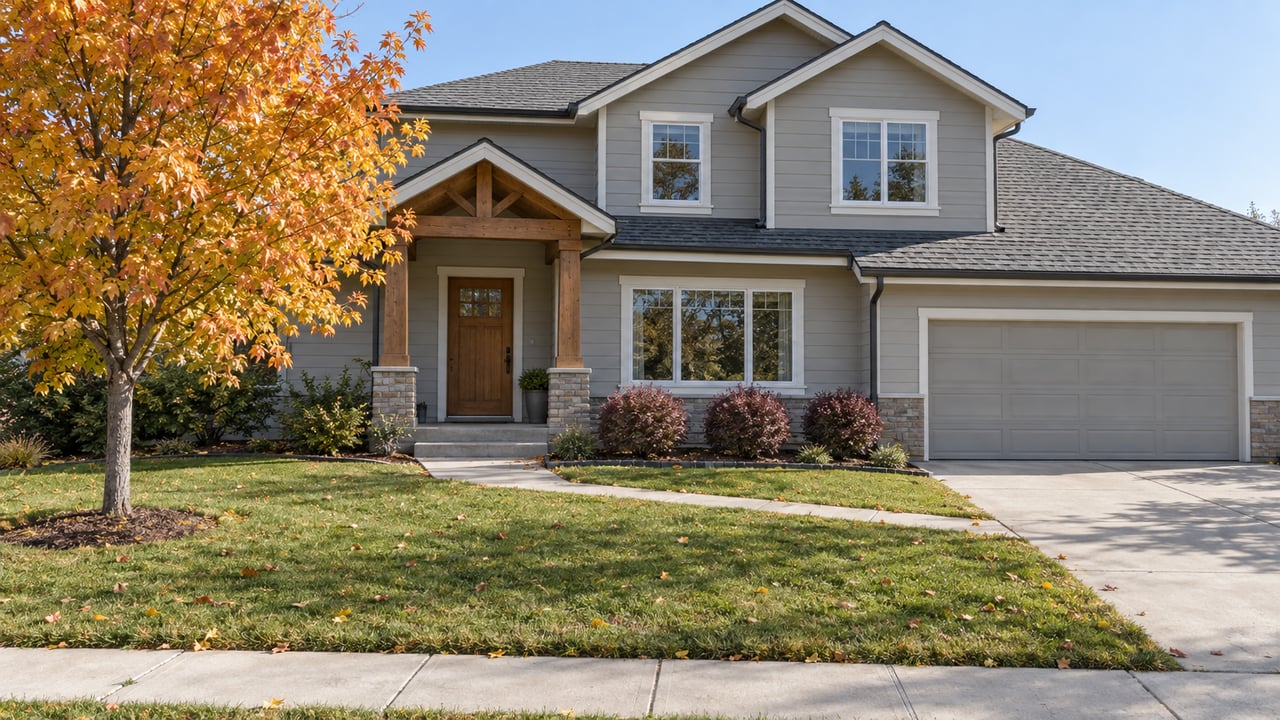
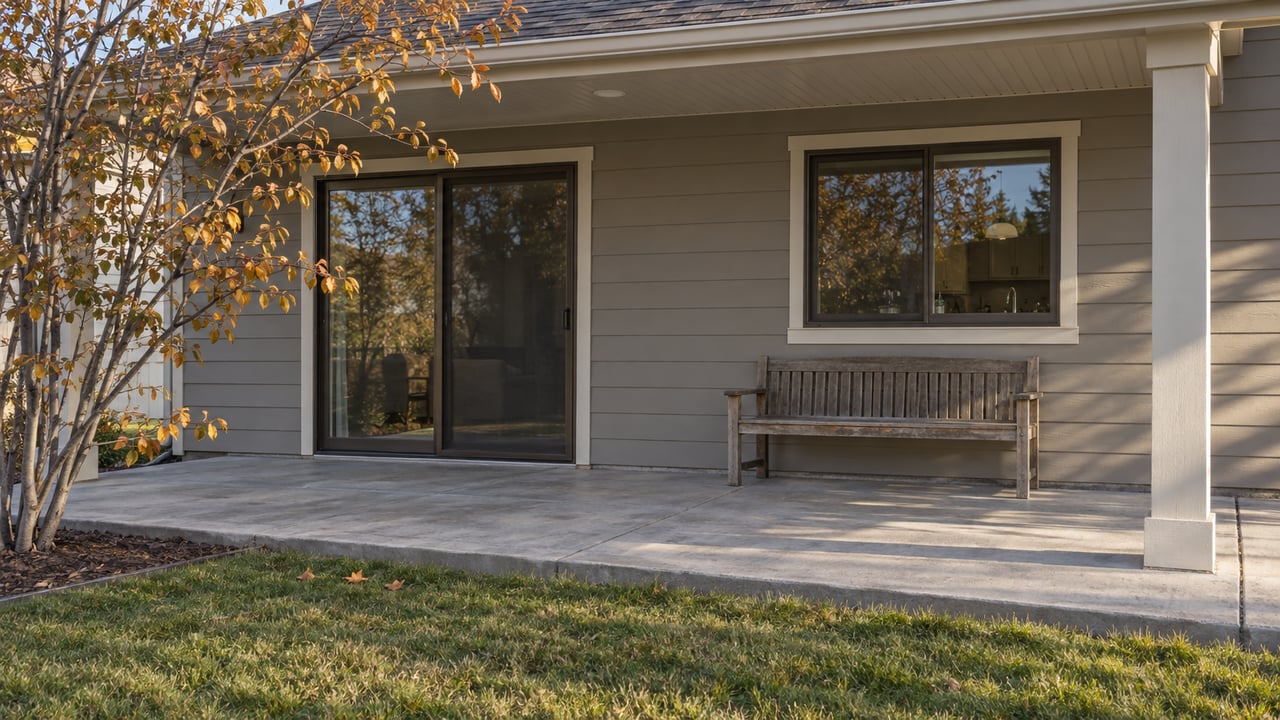
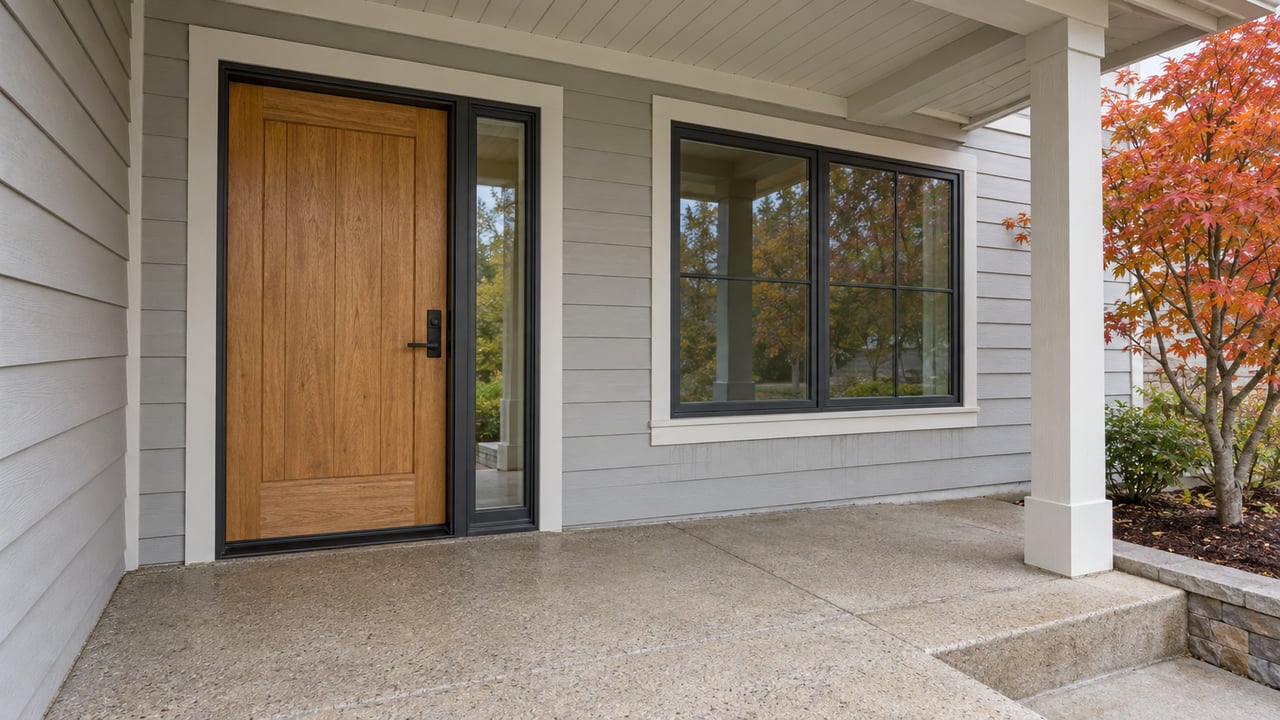
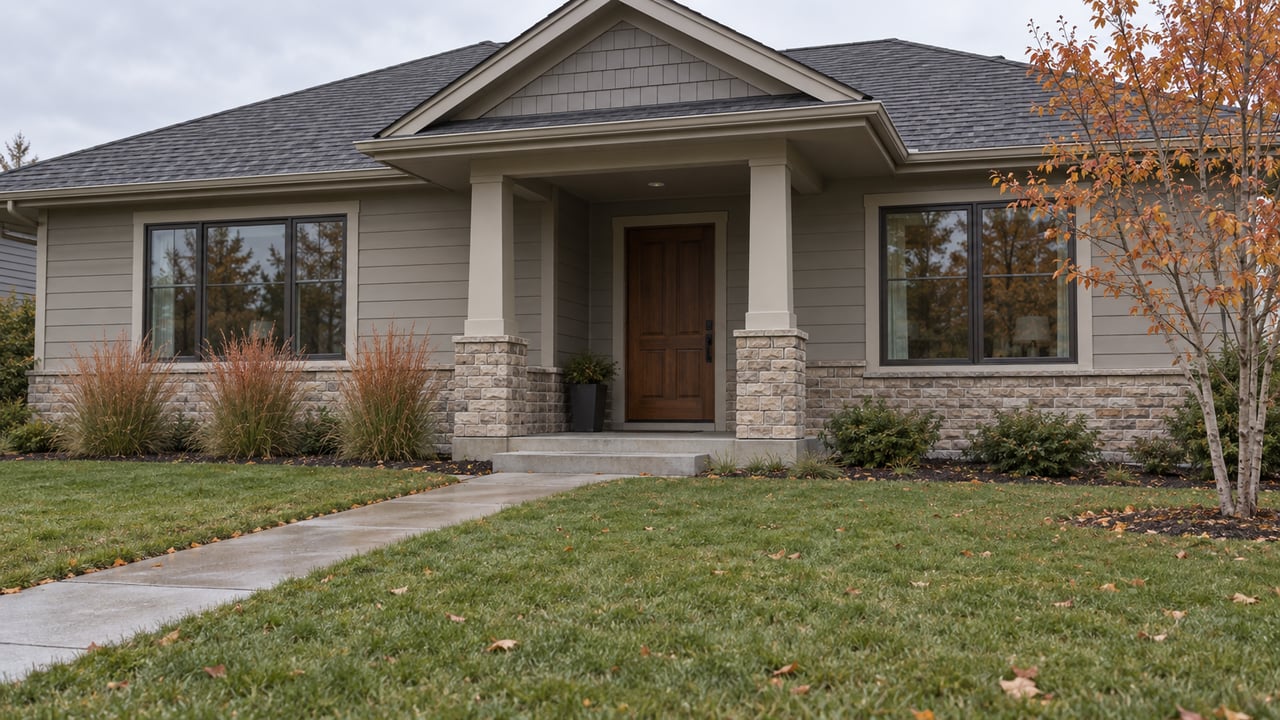
That difference matters when you tour homes. In many parts of Boise, you are more likely to notice older neighborhood patterns, mixed-use areas, and a wider range of housing types. In Meridian, you are more likely to see newer development patterns and more suburban-style neighborhoods.
Home prices and market pace
If price and competition are high on your list, the latest market snapshot shows a meaningful split between the two cities.
In the three months ending April 2026, Boise’s median sale price was $499,450. Meridian’s median sale price was $541,720. That means Meridian was slightly pricier in this snapshot.
Boise also moved faster. Homes in Boise sold in 20 days on average, compared with 44 days in Meridian.
Competition looked a little different too. In Boise, 30.4% of homes sold above list price and the sale-to-list ratio was 99.8%. In Meridian, 18.8% sold above list price and the sale-to-list ratio was 99.6%.
For you as a buyer, that can mean Boise may require faster decision-making when the right home appears. Meridian may offer a bit more breathing room in some situations, even though the median sale price was higher in this snapshot.
Housing styles feel different
Boise offers more variety
Boise’s planning documents point to a mix of housing types, pedestrian-oriented scale, mixed-use activity centers, and historic-resource protection. The city’s 2024 Housing Needs Analysis reports that 76% of new housing units added in 2023 were missing-middle or multifamily units, up from 42% in 2018.
In simple terms, Boise is adding more attached and denser housing than it used to. Depending on where you search, you may find historic homes, compact lots, townhome-style options, multifamily projects, and older neighborhoods with a more established street pattern.
Boise’s residential historic districts are also described as having historic houses, tree-lined streets, and compact, pedestrian-friendly development. If you like character, older architecture, or a more urban neighborhood feel, Boise may move higher on your list.
Meridian leans more suburban
Meridian’s planning documents describe the city’s earlier pattern as primarily detached, suburban-style single-family development. The city also notes that higher-density housing has increasingly been built near employment areas, major roadways, and regional attractions.
Its comprehensive plan calls for a diverse mix of housing, including rural homes, modular homes, townhouses, apartments, workforce housing, large-lot subdivisions, and single-family homes. That means Meridian is not just one thing, but many buyers still experience it first as a suburban single-family market with newer-growth areas.
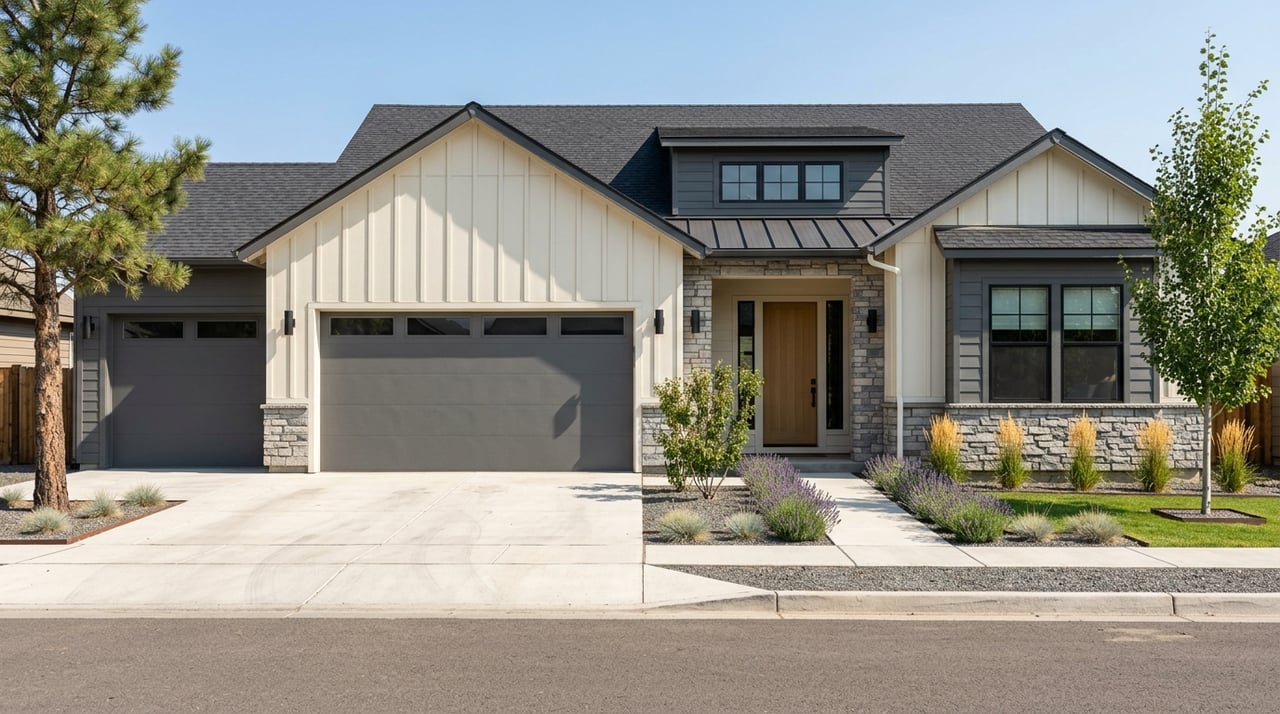
If you want a newer home, a more recently built subdivision, or a layout that fits a traditional suburban routine, Meridian may feel more aligned with your search.
Commute and daily routine
Your daily rhythm matters just as much as the house itself.
According to the U.S. Census Bureau, Boise’s mean travel time to work was 18.9 minutes, while Meridian’s was 22.3 minutes. That is not a huge gap, but over time it can shape how your week feels.
Boise’s planning framework leans into mixed-use neighborhood centers and pedestrian-oriented development. That tends to support shorter trips and more neighborhood-scale errands.
Meridian’s transportation planning is coordinated with ACHD, ITD, Valley Regional Transit, and COMPASS, and its growth framework directs development around employment areas, major roadways, and regional attractions. For many households, that can translate to a more car-oriented suburban routine.
Neither setup is automatically better. The better fit depends on whether you value shorter average commutes and closer-in errands, or you are comfortable trading a bit more drive time for newer-growth suburban options.
Lifestyle and feel
Boise feels connected to history and outdoors
Boise’s identity is tied to arts, history, mixed-use centers, and outdoor access. The city’s Arts & History department describes its mission as cultivating a sense of place that reflects Boise’s past, diverse communities, and natural setting.
Boise also offers notably direct access to outdoor recreation near the city core. The Ridge to Rivers system manages more than 210 miles of foothills trails, and Military Reserve has direct access from Downtown Boise.
That combination can be a big advantage if you want recreation close to everyday life. If the idea of being able to reach trails without a long drive appeals to you, Boise stands out.
Meridian feels newer and amenity-oriented
Meridian’s parks department says its mission is to provide innovatively designed parks, connected pathways, and diverse recreational opportunities. The city also highlights destinations like the Village at Meridian, Roaring Springs Water Park, Meridian Speedway, and city parks as part of everyday life.
Its comprehensive plan emphasizes diverse housing, open spaces, amenities, and varied lifestyle choices. In practical terms, Meridian often appeals to buyers who want newer suburban neighborhoods, convenient retail access, and recreation built into the broader community layout.
If your ideal weekend includes parks, shopping, community amenities, and a more planned-growth environment, Meridian may feel like the easier fit.
Income trends and what they may signal
Household economics differ between the two cities as well. Boise’s median household income was $83,904 in the 2020 to 2024 American Community Survey, while Meridian’s was $100,795.
That does not tell you which city is better. It does help explain why the two markets can feel different in pricing, product mix, and buyer expectations.
For your home search, the bigger takeaway is to compare your budget to the type of home and neighborhood pattern you want most. A lower median sale price in Boise does not always mean lower monthly cost for the kind of home you want, and a higher median price in Meridian may come with different tradeoffs in age, size, or location.
Questions to ask before choosing
When buyers are torn between Boise and Meridian, the decision usually becomes clearer once they focus on lifestyle tradeoffs instead of city names.
Ask yourself:
- Do you want an older neighborhood or newer construction?
- Is a shorter commute more important than a larger yard or newer home?
- Do you care more about walkability and foothills access, or parks, retail, and community amenities?
- Are you comfortable in a faster-moving market, or would you prefer a market with a little more breathing room?
- Which lot sizes, home styles, and HOA structures fit your search best?
These questions can save you time. They also help you avoid chasing homes that look right online but do not match how you actually want to live.
Which city fits you best?
Boise may be the better fit if you want a more established city feel, shorter average commute times, quicker access to foothills trails, and a broader mix of housing types. It may also appeal to you if you are comfortable competing in a market that moved faster in the latest snapshot.
Meridian may be the better fit if you want a newer-growth environment, more suburban-style housing patterns, amenity-rich daily living, and a market that offered a slower average pace in the same period. If your search focuses on single-family homes, newer subdivisions, or a more traditional suburban layout, Meridian may check more boxes.
The right answer is rarely about which city is best overall. It is about which one fits your budget, your routine, and the kind of home base you want for the next chapter.
If you want help comparing Boise and Meridian at the neighborhood and property level, Valentine Realty can help you narrow the options with local insight, practical guidance, and a clear eye on long-term value.
FAQs
What is the main difference between Boise and Meridian for homebuyers?
- Boise generally feels more established, with a wider housing mix, shorter average commute times, and close access to foothills recreation, while Meridian often feels more suburban, newer-growth, and amenity-oriented.
Is Boise or Meridian more expensive in the current housing market?
- In the three months ending April 2026, Meridian had the higher median sale price at $541,720, compared with $499,450 in Boise.
Do homes sell faster in Boise or Meridian?
- In the latest market snapshot, homes sold faster in Boise at 20 days on average, compared with 44 days in Meridian.
Is Boise or Meridian better for a shorter commute?
- Based on U.S. Census Bureau data, Boise had the shorter mean travel time to work at 18.9 minutes, compared with 22.3 minutes in Meridian.
What kinds of homes are more common in Boise and Meridian?
- Boise planning documents point to a growing mix of missing-middle and multifamily housing alongside historic and established neighborhoods, while Meridian planning documents describe a stronger suburban single-family pattern with a broader mix of newer-growth housing options.