If you are getting ready to sell in Nampa, it is easy to wonder whether you need a big remodel to compete. The good news is that you usually do not. In today’s market, smart low-cost fixes often do more to protect your price than expensive upgrades that buyers may not value the same way you do. Let’s dive in.
Why condition still matters in Nampa
Nampa is still moving, but buyers are paying attention to presentation. In March 2026, homes in Nampa sold in about 38 days, the median sale price was $417,990, homes received about two offers on average, and 32.3% of homes had price drops.
That tells you something important. You are not selling in a distressed market, but you also cannot count on buyers overlooking worn finishes, deferred maintenance, or obvious repair issues.
Buyer expectations back that up. According to the 2025 Remodeling Impact Report, 46% of buyers are less willing to compromise on the condition of the home they purchase. If your home is priced near market, small visible problems can carry more weight than you may expect.
Start with fixes that protect your sale
Before you think about paint colors or hardware, focus on anything that could create a major objection during showings, inspections, or disclosures. In Idaho, the seller disclosure form asks about roof damage or leaks, siding issues, water intrusion, moisture damage, mold, structural problems, foundation problems, and substantial additions or alterations made without a building permit.
These issues matter because they can quickly turn into negotiation pressure. Idaho law also gives a buyer a limited right to rescind within three business days if they receive the disclosure form after going under contract.
That does not mean every older home needs a long repair list. It does mean that active problems tied to leaks, safety, structure, moisture, plumbing, electrical systems, or permit history should usually move to the top of your pre-listing checklist.
Fix-now items to prioritize
- Roof leaks or visible roof damage
- Active plumbing leaks
- Electrical problems or failed components
- Moisture intrusion or mold concerns
- Obvious foundation or structural issues
- Siding or trim damage that exposes the home to weather
- Unpermitted work that should be reviewed through the city process
If your budget is tight, this is where your money usually works hardest. These fixes help reduce buyer hesitation and lower the risk of a contract getting shaky later.
Focus next on first impressions
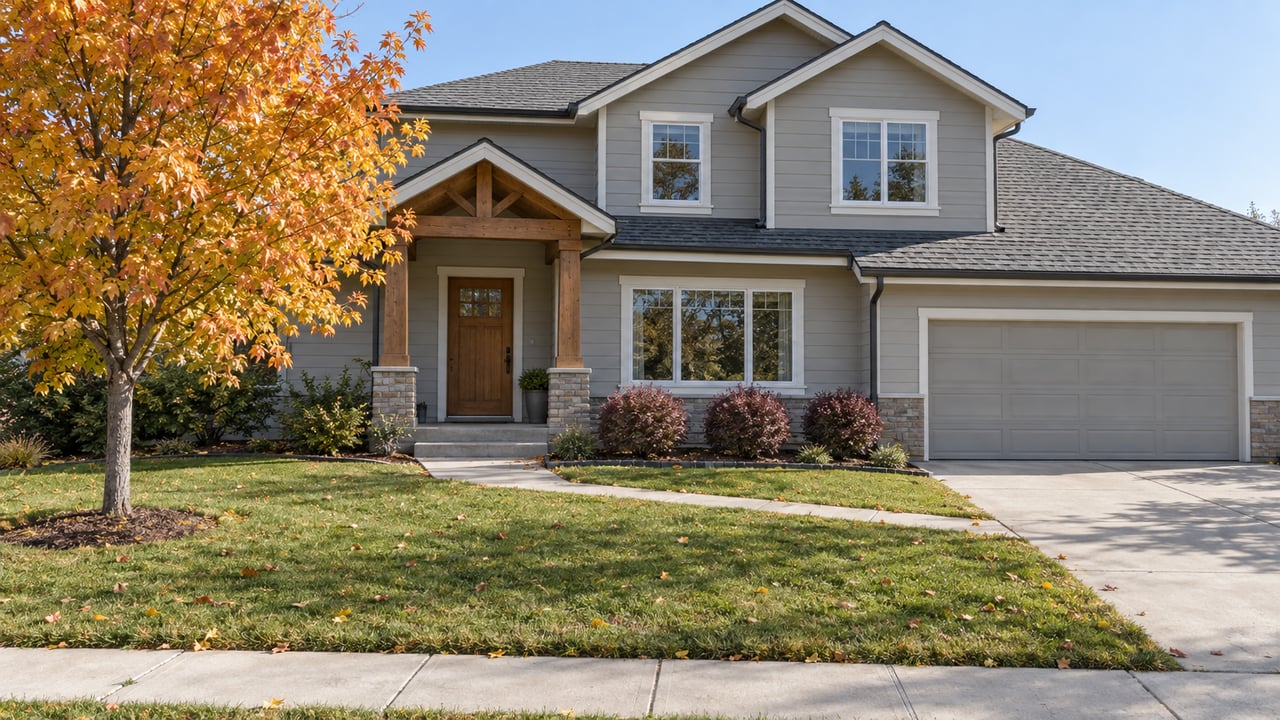
Once the major issues are handled, put your next dollars where buyers notice them fastest. Research points clearly to the front of the house as one of the safest places to invest limited money before listing.
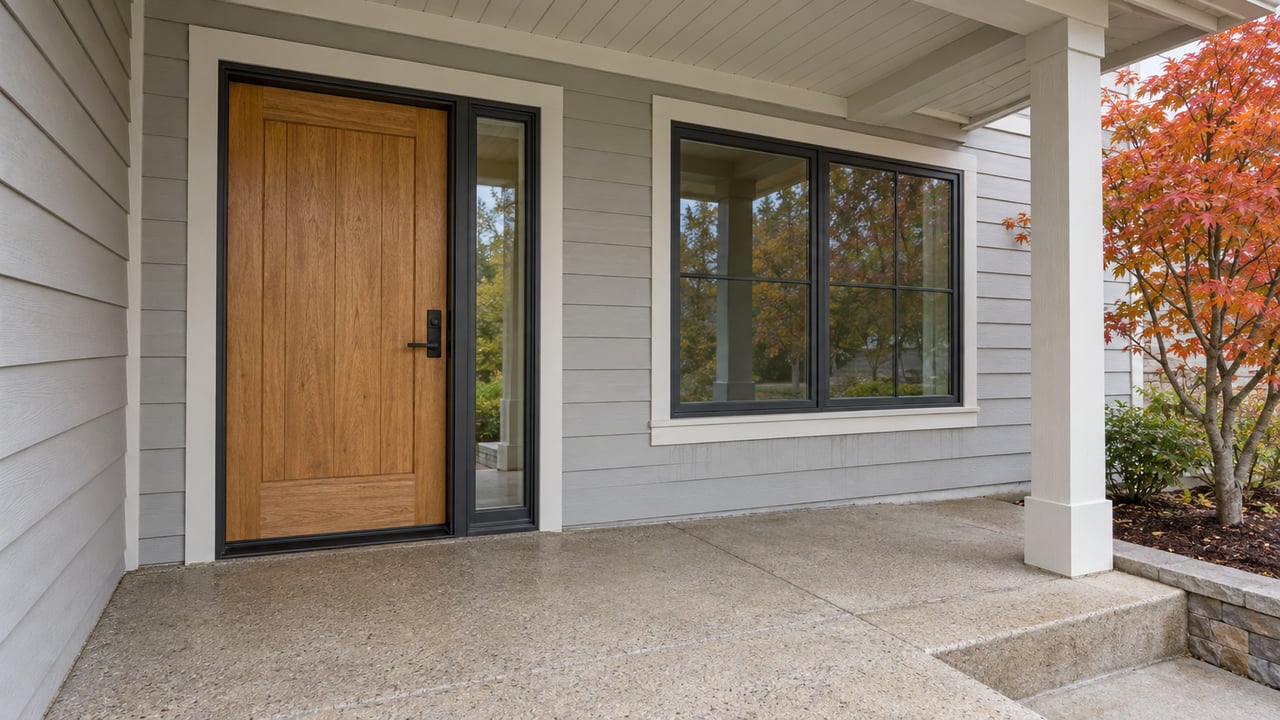
Zonda’s 2025 Cost vs. Value report says eight of the top ten resale-value projects are exterior replacements. Garage door replacement led the list at 267.7% cost recouped, and steel door replacement came in at 216.4%. NAR’s 2025 report also gives strong marks to a new steel front door and highlights windows, siding, and exterior paint as solid resale-focused improvements.
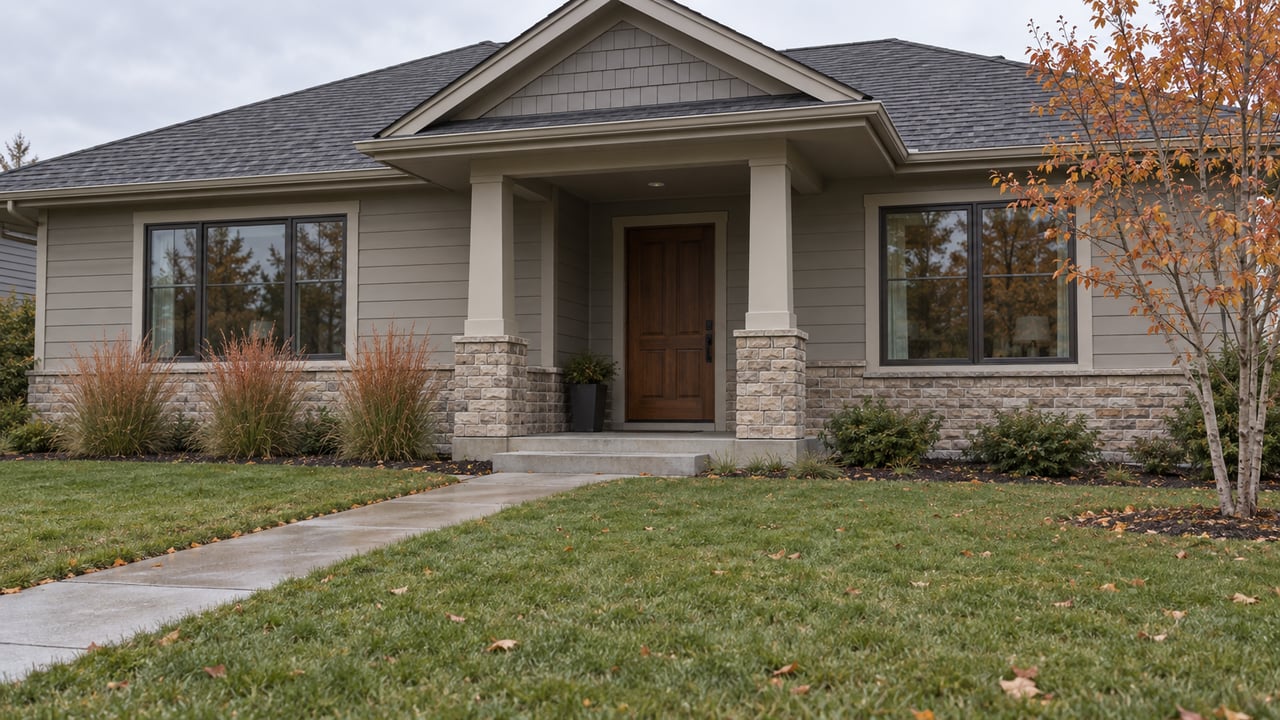
For many Nampa sellers, that means curb appeal is not fluff. It is one of the most practical budget strategies available.
Budget curb appeal updates that can pay off
- Repaint or refresh a worn front door
- Replace a dated or damaged front door if needed
- Clean up or replace a tired-looking garage door
- Touch up peeling or faded exterior paint
- Repair visible siding or trim damage
- Remove clutter, yard debris, and anything that makes the frontage look neglected
Simple cleanup also matters. A 2025 NAHB study found that visible trash nearby and nearby abandoned or vandalized buildings can reduce value in broader modeling. While that is not a Nampa-specific appraisal tool, it supports a simple point: what buyers see from the street affects how they feel about value.
Use paint as a budget-friendly reset
If you only have room for a few cosmetic improvements, paint deserves serious attention. NAR’s agent survey says the top projects to do before selling are painting the entire home, painting one room, and new roofing if needed.
Paint works because it is visible in photos, noticeable in person, and easier to control than a larger remodel. Clean, fresh paint can make a home feel better maintained without changing the layout or overspending.
Where paint usually helps most
- Scuffed or heavily marked interior walls
- Bold rooms that may distract buyers
- Worn baseboards, trim, or doors
- Exterior touch-up areas that stand out in listing photos
If your home was built before 1978, pause before starting. Nampa’s residential remodel checklist says renovation, repair, and painting projects that disturb lead-based paint must follow EPA-certified lead-safe work practices.
Keep kitchen and bath updates modest
Many sellers assume they need to renovate a kitchen or bathroom before listing. In most cases, that is not the best first move when money is limited.
The research points to modest updates, not major custom remodels. NAR’s resale-value findings include minor kitchen upgrades and complete kitchen renovations at 60% cost recovery, bathroom renovations at 50%, bathroom additions at 56%, and new primary suites at 54%.
That does not mean kitchens and baths do not matter. It means you should be careful about over-improving if the surrounding comps do not support it.
Smart low-cost refresh ideas
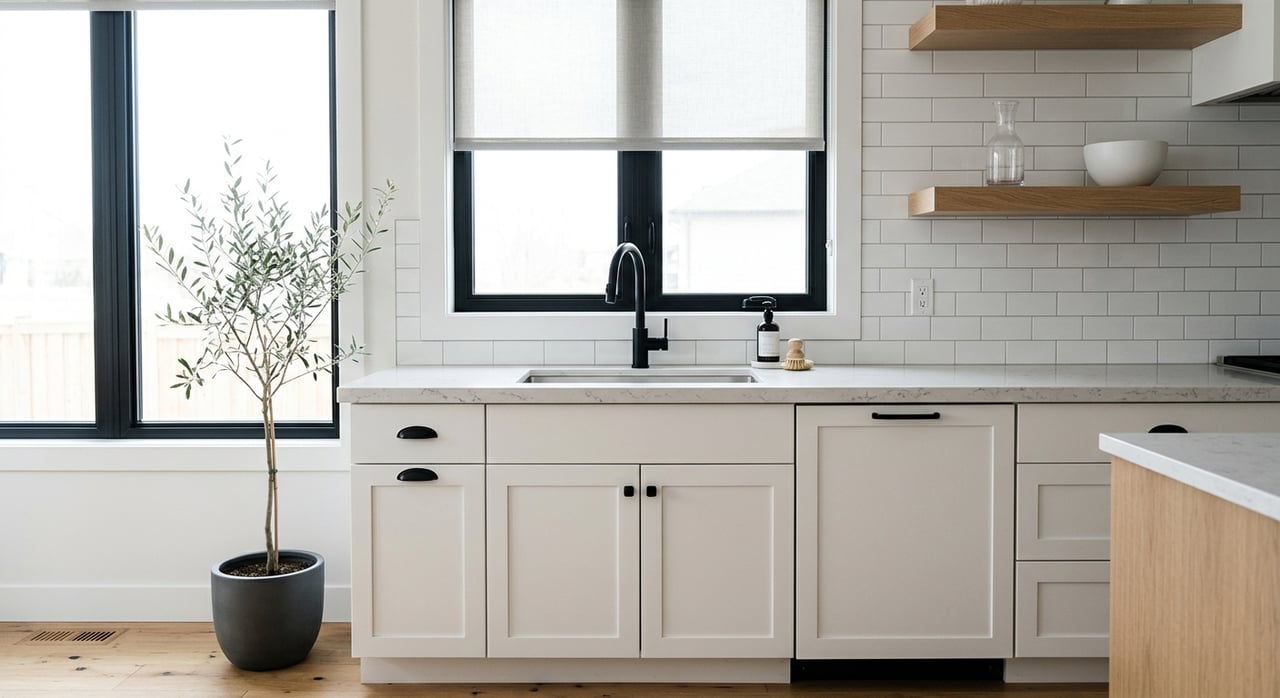
- Replace damaged or dated cabinet hardware
- Re-caulk sinks, tubs, and backsplashes
- Swap in simple updated light fixtures
- Deep clean grout, appliances, and cabinets
- Repair dripping faucets or loose handles
- Paint walls if the room feels dark or tired
These kinds of changes help a home feel cared for and functional. They also tend to be easier to justify than a full remodel right before listing.
Know when to stop spending
One of the biggest mistakes sellers make is letting a pre-listing project grow too large. A repair turns into a remodel, a remodel turns into a custom design plan, and suddenly the budget is no longer working in your favor.
That is especially risky when the project is highly personal or does not solve a real condition issue. The better strategy is usually to remove buyer objections, improve first impressions, and stop before the project outgrows the neighborhood.
NAHB’s 2025 analysis suggests some features can influence value more than others, but it is directional guidance rather than a neighborhood-specific pricing rule for Nampa. That is why local comp context matters before you commit to bigger updates.
Watch permit issues before listing
If your project goes beyond cosmetic work, make sure you understand the city process. Nampa’s Building Department uses an online permit system, and the city’s residential remodel application says all residential projects require an application and plan review. The same application says additional permits are required for electrical, mechanical, and plumbing work as applicable.
This is especially important if you are trying to fix older work or finish something that was started in the past. Permit questions can become disclosure questions, and disclosure questions can become contract issues.
If you are unsure whether a repair is truly cosmetic or crosses into permit territory, it is worth checking before you list. That simple step can help you avoid surprises once buyers begin their due diligence.
A practical budget plan for Nampa sellers
If you want a simple way to decide what to do first, use this sequence.
Step 1: Fix what creates risk
Address anything that leaks, affects safety, raises structural concerns, or could create disclosure problems.
Step 2: Improve what buyers see first
Spend next on the items that show up in photos and at the curb, especially doors, paint, siding touch-ups, and exterior cleanup.
Step 3: Refresh key rooms carefully
Consider modest kitchen or bath improvements only if they are affordable and clearly supported by nearby comparable homes.
Step 4: Skip the big custom project
Usually defer expensive remodels that do not solve a condition issue or close a clear gap with competing listings.
Local help for qualifying homeowners
If your home needs necessary repairs and you qualify, Nampa offers a Home Repair Loan Program for owner-occupants within city limits. The city says eligible uses include roof repairs, plumbing repairs, electrical repairs, structural or safety repairs, and accessibility modifications.
The program can provide up to $20,000, carries zero interest, and may be forgivable over five years if conditions are met. For some sellers, that can be a meaningful local resource when a needed repair stands between the home and the market.
Selling on a budget does not mean doing the bare minimum. It means making smart choices that protect your equity, support a smoother transaction, and help buyers feel confident about your home from the moment they see it. If you want practical advice on which fixes are worth it before you list in Nampa, the team at Valentine Realty is here to help.
FAQs
What pre-listing repairs matter most for Nampa sellers?
- The most important repairs are usually roof leaks, plumbing or electrical problems, moisture issues, structural concerns, and other items that can create disclosure or inspection problems.
What budget-friendly updates help a Nampa home look better before listing?
- Low-cost updates that often help include paint, front door refreshes, garage door improvements, exterior touch-ups, siding or trim repair, and general curb-side cleanup.
Should you remodel a kitchen before selling a home in Nampa?
- Usually, a full kitchen remodel is hard to justify on a tight budget unless nearby comparable homes clearly support it. Minor updates and deep cleaning are often the better move.
Do Nampa sellers need permits for pre-listing home projects?
- If the work goes beyond cosmetic fixes, Nampa’s building process may apply. The city says residential projects require an application and plan review, with added permits for electrical, mechanical, and plumbing work as needed.
Is there a home repair program for Nampa homeowners before selling?
- Yes. Nampa offers a Home Repair Loan Program for qualifying owner-occupants within city limits, with eligible uses including roof, plumbing, electrical, structural, safety, and accessibility-related repairs.