If you want a slower pace without feeling cut off from the rest of the Treasure Valley, Fruitland deserves a closer look. This small city near the Idaho-Oregon border offers local schools, everyday parks, short typical commutes, and a housing mix that gives you more than one way to live. Whether you are relocating, upsizing, downsizing, or simply comparing communities, understanding how Fruitland fits into the wider region can help you make a smarter move. Let’s dive in.
Why Fruitland Feels Small-Town
Fruitland is compact by design and by scale. The U.S. Census Bureau estimates the city had 7,078 residents in July 2024, and the city covers just 2.29 square miles of land area, which helps explain why day-to-day life can feel close-knit and easy to navigate.
That small-town feel is also supported by how people live there. According to the U.S. Census QuickFacts for Fruitland, 69.8% of housing units are owner-occupied and 94.3% of residents lived in the same house one year earlier. In practical terms, that points to a community where many residents put down roots and stay.
Where Fruitland Sits In The Region
Fruitland is on the western edge of Payette County, between the Payette River and the Snake River. The city’s planning documents place it within a broader regional pattern that includes Payette, Weiser, Caldwell, Nampa, Boise, and nearby Ontario, Oregon.
For many buyers, that location is a major part of the appeal. The city notes that Fruitland is adjacent to Ontario and about 45 minutes from Boise, with access to I-84 through nearby US-30 and US-95 connections, according to the City of Fruitland comprehensive planning materials.
Everyday Life In Fruitland
One of the easiest ways to picture a community is to look at daily routines. In Fruitland, those routines tend to revolve around local schools, nearby parks, short drives, and a quieter residential pace than you may find in larger parts of the Treasure Valley.
The city’s mean commute time is 19 minutes, which suggests many trips are relatively manageable and local. If you work remotely or split time between home and an office, Fruitland also shows strong household connectivity, with 99.2% of households reporting a computer and 88.7% reporting a broadband subscription, based on Census data.
Schools And Community Services
Fruitland has a straightforward public school setup, which can make research easier when you are comparing areas. Fruitland School District #373 operates a high school, middle school, elementary school, and preparatory academy, and the district also highlights transportation, athletics, and nutrition services.
That local structure matters because it reflects how community life is organized. Instead of navigating multiple districts or a scattered service map, you can get a clearer sense of how the city functions on an everyday level.
Parks And Outdoor Space
Fruitland’s parks support a practical, active lifestyle. According to the City of Fruitland parks page, Mesa Park includes softball fields, tennis courts, a basketball court, and a concession area, while Fruitland Community Park serves the downtown area.
The city also lists Crestview Park, which includes a play area and splash pad, and notes ongoing development of the Payette River Sports Complex as an active-use park. For buyers who want access to simple, usable outdoor spaces instead of long drives for recreation, that is an important quality-of-life factor.
There is also a longer-term outdoor story here. The city’s parks and trails planning includes future trail and water-access work tied to both the Snake and Payette Rivers, which reinforces how closely Fruitland’s geography shapes local recreation.
Fruitland’s Agricultural Roots Still Matter
Fruitland is not frozen in time, but it has held onto a strong sense of place. The city’s history page notes continued ties to its agricultural heritage, even as service, light manufacturing, and health care have grown in the local economy.
For you as a buyer, that mix can be meaningful. It helps explain why Fruitland can feel established and grounded while still changing and growing.
Housing Options In Fruitland
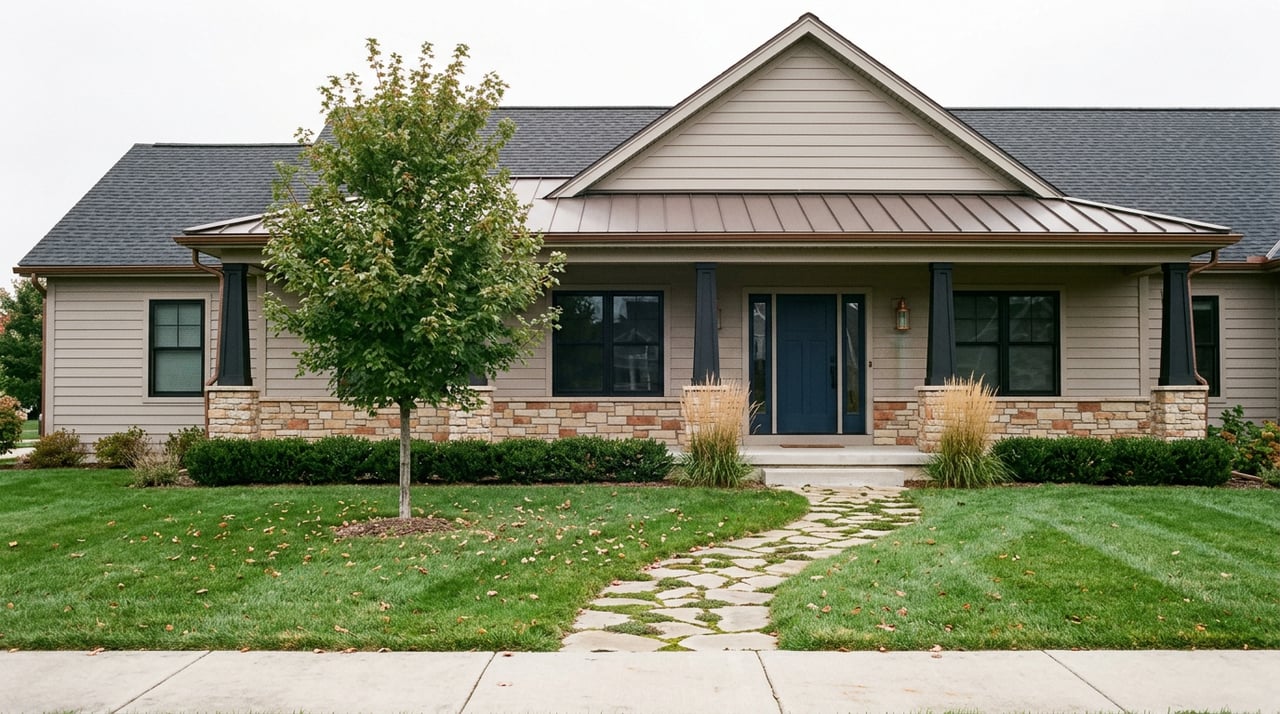
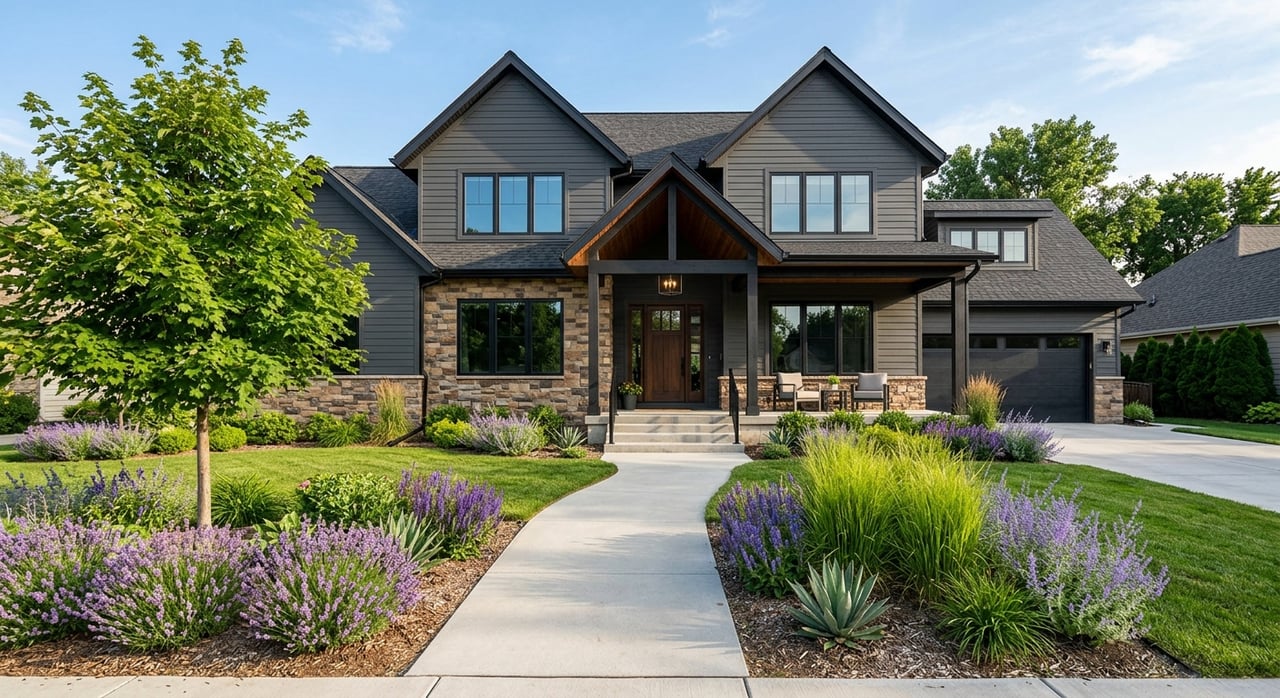
A big reason Fruitland stands out is that the housing stock is not one-size-fits-all. The city’s approved comprehensive plan allows for a broad residential mix that includes single-family detached and attached homes, duplexes, apartments, townhouses, and planned-unit developments.
The plan also preserves a large-lot residential and agricultural designation for lots of five acres or more on the fringe. It further notes that existing development includes several manufactured-home neighborhoods as well as some apartment and townhome complexes.
That variety matters if you are trying to match your home search to your lifestyle and budget. In Fruitland, you may find everything from a standard subdivision lot to a much larger acreage property, which is not always easy to find in more built-out parts of the region.
What The Market Looks Like
Current market snapshots place Fruitland in a generally low-to-mid $400K range, depending on the metric used. The research report notes a median list price of $434.8K, while other market trackers show different figures because they measure different data points such as list price, average value, or recent sale price.
The key takeaway is less about one exact number and more about the range. If you are comparing Fruitland with other Treasure Valley communities, it helps to view the market as offering multiple housing formats within a price band that may appeal to buyers seeking either standard neighborhood homes or more land.
Why Fruitland Can Appeal To Different Buyers
Fruitland is not just for one type of household. The combination of owner-occupied housing, local schools, parks, short commutes, and a range of lot sizes can work for buyers who want a quieter home base with regional access.
It may also appeal to remote or hybrid workers who want reliable internet service in a smaller community setting. And if you are looking for a property with space for hobbies, storage, or a different day-to-day rhythm, the presence of both compact lots and acreage parcels gives you more flexibility than many buyers expect.
How Fruitland Connects To The Treasure Valley
Even though Fruitland has a distinct small-town identity, it is still tied to the wider region. The city’s planning documents describe connections to Boise and other Treasure Valley communities, and they also note that Snake River Transit runs between Ontario and Payette by way of Fruitland on 60-minute headways.
That broader travel pattern matters if your life crosses city, county, or even state lines. Fruitland can offer a quieter residential setting while still participating in the movement and economy of the western Treasure Valley border region.
Is Fruitland Right For You?
If you want walkable scale, local routines, and housing choices that range from neighborhood homes to larger parcels, Fruitland is worth considering. It offers a blend of stability, growth, and regional access that can feel very different from faster-growing suburban areas closer to Boise.
The right move always depends on your goals, budget, commute needs, and the kind of daily life you want to build. If you are weighing Fruitland against other Treasure Valley communities, working with a team that understands both market value and long-term homeownership strategy can help you narrow the field with confidence.
When you are ready to explore your options, connect with Valentine Realty for thoughtful guidance on buying or selling in the Treasure Valley.
FAQs
What is small-town living like in Fruitland, Idaho?
- Small-town living in Fruitland often means short local trips, a compact city layout, local schools, community parks, and a high share of owner-occupied homes.
How far is Fruitland from Boise and Ontario?
- City planning materials say Fruitland is adjacent to Ontario, Oregon, and about 45 minutes from Boise, with regional access through nearby highway connections.
What types of homes are available in Fruitland?
- Fruitland includes a mix of single-family homes, duplexes, apartments, townhouses, planned-unit developments, manufactured-home areas, and some larger acreage properties.
Are there parks and recreation options in Fruitland?
- Yes. Fruitland has parks with sports courts and fields, a downtown park, a splash pad, and an active-use sports complex in development, along with longer-term trail and river access planning.
Is Fruitland a good fit for remote workers?
- Fruitland may be a practical option for remote or hybrid workers because Census data shows high household computer access and broadband subscription rates.
What makes Fruitland different from other Treasure Valley communities?
- Fruitland stands out for its smaller scale, strong agricultural roots, local school structure, shorter typical commute times, and housing mix that can include both standard lots and larger parcels.