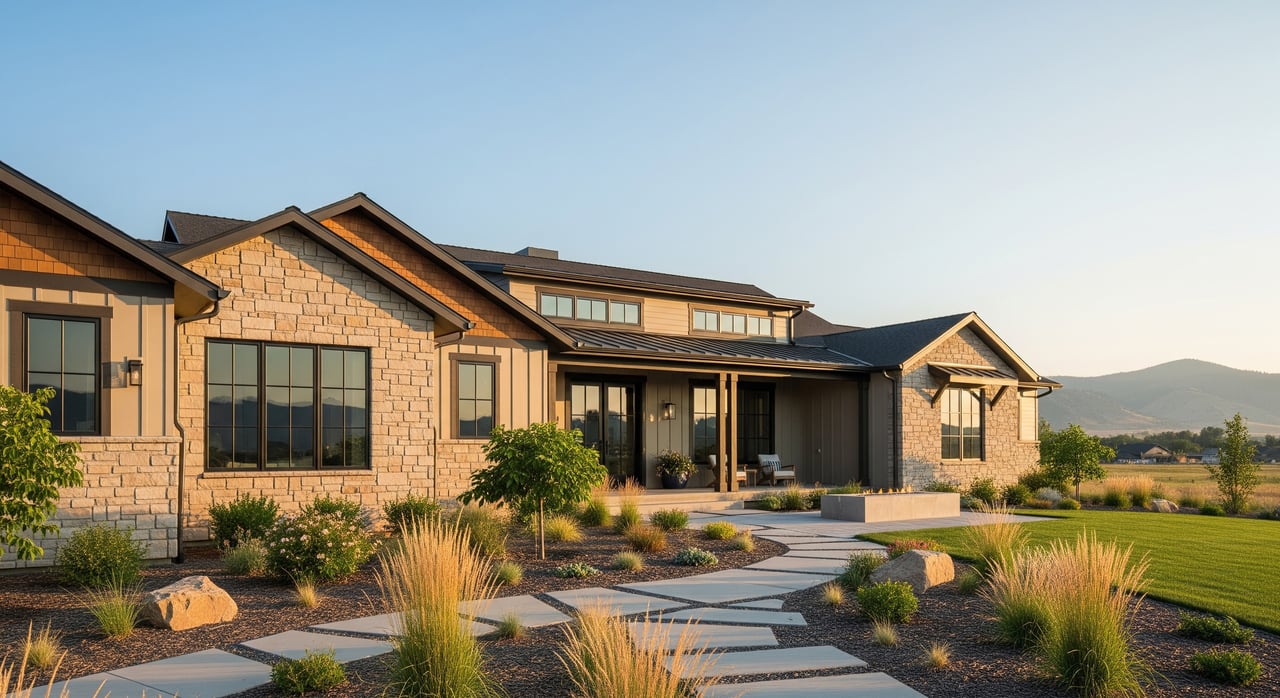
Are you trying to read the Nampa market and feeling mixed signals? You are not alone. Prices surged during the pandemic, then cooled as rates rose, and now the picture can shift by neighborhood and price point. In this guide, you will learn how Nampa’s key trends affect your buying or selling plan, what metrics matter, and how to use them to your advantage. Let’s dive in.
Nampa housing trends at a glance
- Nampa is typically more affordable than core Boise and Meridian, which draws steady buyer interest and supports long run demand.
- After the pandemic peak, the market moved toward balance. The feel on the ground depends on price tier, condition, and neighborhood.
- Builders remain active around Nampa. New construction influences pricing and gives buyers more choice, especially in newer subdivisions.
- For buyers, you often find more options and a bit more negotiating room than central Boise, but move-in ready homes at lower price points can still move fast.
- For sellers, equity is still in play, yet smart pricing and strong presentation are essential to avoid longer days on market.
Price trends: how to read them
Prices do not move in a straight line. They can vary by neighborhood, age of home, and lot size, and homes closer to major routes like I‑84 often carry convenience premiums. New subdivisions can also sell at a premium early in a community’s life cycle.
If you are buying
- Study recent comparable sales for similar homes in the same neighborhood. Focus on closed sales within the last 30 to 90 days.
- Track price per square foot alongside overall price, then adjust for upgrades, lot size, and garage spaces.
- Watch list-to-sale price ratios. Lower ratios and frequent price reductions may signal room to negotiate.
If you are selling
- Anchor your list price to very recent neighborhood comps and the competing active listings buyers will also tour.
- If nearby builders are releasing homes that match your size and finish level, factor that into pricing and your marketing plan.
- Revisit pricing quickly if showings are slow or feedback says the home feels overpriced compared to others buyers have seen.
Inventory and months of supply
Inventory tells you how many homes buyers can choose from. Months of inventory, or MOI, shows how long it would take to sell all active listings at the current pace. As a rule of thumb, less than 3 months often favors sellers, 3 to 6 months leans balanced, and more than 6 months favors buyers.
- In Nampa, inventory is often higher than in central Boise because of new construction. That can boost buyer choice and moderate price jumps.
- The tightest conditions usually appear in the most affordable price bands and for homes that are updated and move-in ready.
What this means for you:
- Buyers: More inventory can mean more negotiating power, especially for homes that have been on the market longer. Still be prepared to move quickly on well-priced homes.
- Sellers: If inventory rises in your price tier, expect more price sensitivity. Strong photos, staging, and sharper pricing can help you stand out.
Days on market and competition
Days on market, or DOM, shows how long it takes a typical home to sell. DOM expanded compared to the pandemic rush, yet homes that are well priced and well presented can still go pending quickly. Entry-level homes often see the shortest DOM.
- Buyers: Longer DOM may create opportunities to request credits for closing costs, repairs, or rate buydowns. If a home is listed under recent comps, expect competition.
- Sellers: If showings are strong but offers are not coming in, review feedback, adjust pricing, and consider small incentives. If showings are light, your price is likely above the market.
New construction’s impact in Nampa
Builders continue to focus on Nampa and other Canyon County communities because land can be more available and more affordable than in Ada County. That pipeline affects both buyers and sellers.
- For buyers: Builders sometimes offer incentives. Compare the complete cost, including lot premiums, options, landscaping, appliances, and blinds. Also consider build time and whether you want to lock a rate.
- For sellers: If new homes are active in your area, highlight what your home offers that buyers value, such as a larger yard, mature landscaping, window coverings, or recent updates. Position your home clearly against builder inventory.
How to compare new vs resale:
- Price: Evaluate the full out-the-door cost, not just the base price.
- Timing: A resale can close quickly, while a build may take months.
- Condition and warranty: New homes offer builder warranties. Resales may offer character, location advantages, or upgraded features at a similar price.
Affordability and tradeoffs with Boise and Meridian
Nampa is generally more affordable than Boise and Meridian. That difference pulls in first-time buyers, move-up buyers who want more space, and commuters who value the price-per-square-foot advantage. The tradeoffs often come down to commute time, community features, and neighborhood age.
- If you are moving from Ada County, you may be able to buy a larger home or a bigger lot in Nampa for a similar payment, depending on rates and taxes.
- If you work in Boise or Meridian, factor commute time and access to I‑84 into your search, then weigh lifestyle priorities like yard size, garage spaces, or room for future projects.
Local demand drivers to watch
Even when rates change, several forces continue to support Nampa housing demand:
- Population and migration: The Treasure Valley has seen steady in-migration, including remote workers who value space and relative affordability.
- Job base: Regional job growth helps anchor buyer demand. Pay attention to local employer expansions or slowdowns.
- Mortgage rates: Rate moves influence purchasing power. When rates rise, buyers may request more concessions. When rates ease, competition can heat up quickly.
Your buyer playbook
Use this simple plan to compete well and protect your long-term value.
- Get preapproved early. Know your comfort payment and your maximum budget so you can act fast when the right home hits.
- Track real-time comps. Focus on the most recent closed sales and similar active listings in the same subdivision or nearby neighborhoods.
- Compare new vs resale the right way. Add up total costs, timelines, incentives, and the value of warranties or recent updates.
- Look for negotiation signals. Longer DOM, multiple price reductions, or a high number of similar homes on the market can open the door to credits or repairs.
- Inspect for the future. Evaluate HOA rules, upcoming neighborhood development, and potential maintenance so you understand long-term ownership costs.
- Plan for appraisal. In fast-moving segments, prepare for appraisal conversations by grounding your offer in recent comps.
Your seller playbook
Position your home to sell quickly and protect your equity in a market that rewards preparation.
- Nail the price. Start with comps from the last 30 to 90 days, then map the competition buyers will tour this week, including nearby new builds.
- Make smart updates. Focus on high-ROI improvements like paint, lighting, minor bath and kitchen refreshes, landscaping, and professional cleaning and staging.
- Market like a pro. Use high-quality photography, video, and clear feature lists that highlight lot advantages, updates, storage, and energy efficiencies.
- Plan your timeline. Consider listing when buyer activity is strongest in your area, and be aware of new phases opening in nearby subdivisions.
- Be negotiation ready. Expect requests for repairs, credits, or rate buydowns in higher-rate environments. Flexibility on closing dates can be the difference between a good offer and a great one.
- Think beyond the sale. If you are trading up or down, coordinate your sale and purchase financing, and consult your tax and financial advisors about capital gains or 1031 options if applicable.
Is it a buyer’s or seller’s market right now?
The best way to answer this locally is to watch months of inventory, days on market, and list-to-sale price ratios by price tier. Many parts of Nampa feel balanced to slightly seller leaning, but affordable, move-in ready homes can still draw strong interest. Higher-priced segments or areas with a lot of new build competition may feel more balanced for buyers.
How to read these shifts:
- MOI under 3 months: sellers often have the edge.
- MOI between 3 and 6 months: more balance, more negotiation.
- MOI over 6 months: buyers tend to have leverage.
Timing your move with rates and seasonality
No one can predict rate movements, but you can plan for different scenarios.
- If rates rise: Expect more negotiation on credits and price, and focus on homes with longer DOM.
- If rates fall: Expect more buyer activity. Have preapproval ready and be prepared to act quickly.
- Seasonality: Spring and early summer often bring more listings and more buyers. Fall and winter can offer less competition, but inventory may be tighter.
How we help you win in Nampa
You deserve advice that blends construction know-how with financial clarity. That is our approach. We help you compare resale versus new construction with a contractor’s eye for condition and upgrades, and a financial lens for long-term value and total cost of ownership. Whether you are buying your first home, moving up, or right-sizing, you will get clear guidance, professional marketing, and steady communication.
When you want a local, family-first team that treats your goals like our own, connect with Valentine Realty. We will tailor a plan to your home, your timeline, and your next chapter.
FAQs
Is Nampa a buyer’s or seller’s market right now?
- It varies by price tier and neighborhood, but many segments feel balanced to slightly seller leaning, with affordable, move-in ready homes seeing the most competition.
How does Nampa pricing compare to Boise and Meridian?
- Nampa is generally more affordable, which attracts buyers seeking more space or yard, though you should weigh commute time and neighborhood features that matter to you.
Are builders still active in Nampa?
- Yes, new construction remains a meaningful part of the market, so compare builder incentives, timelines, and total out-the-door pricing with similar resale options.
How long will a typical Nampa home take to sell?
- It depends on price, condition, and competition; well-priced and well-presented homes can still move quickly, while overpricing tends to extend days on market.
Should I wait to buy or sell because of mortgage rates?
- Rather than waiting on rate predictions, plan for scenarios, secure preapproval, compare costs, and use concessions or rate buydowns to align the payment with your budget.
How should I price my Nampa home today?
- Use very recent neighborhood comps and account for competing active listings, including nearby new builds, then adjust quickly if showings or feedback indicate a miss.